
Reviewed · CHINATOWN TOURS
San Francisco: Chinatown Dim Sum and Tea Tour
San Francisco Chinatown gives you a lot in a small area, and this three-hour tour turns its food shops, alleys, and old gathering places into one connected story. You begin with dim sum and finish with traditional tea, with Peking Duck, pastries, bubble tea, and dessert in between.
I like the small group of 10 or fewer, which should make it easier to hear the guide and ask questions. I also like the full spread of food, since you are not paying for a walk with one token sample. The possible drawback is value: at $99 per person, you need to arrive hungry and appreciate the history and guidance as much as the food.
Key points
- A full three-hour meal: Dim sum, bubble tea, a Chinese pastry, duck, dessert, soft drinks, and tea tasting are included.
- Chinatown beyond the main streets: The route includes alleyways, old bakeries, a church connected to the 1906 earthquake, and a Gold Rush-era gathering place.
- A visit to the first fortune cookie factory: You can watch the cookies being made and sample them fresh.
- Tea gets the final word: The tour closes at a traditional tea shop, with time to learn about Chinese tea customs.
- A compact, personal group: The tour is limited to 10 people and led in English.
- Best for curious eaters age 7 and up: Younger children are not recommended, and everyone over age 7 needs a full ticket.
Starting with dim sum at House of Dim Sum
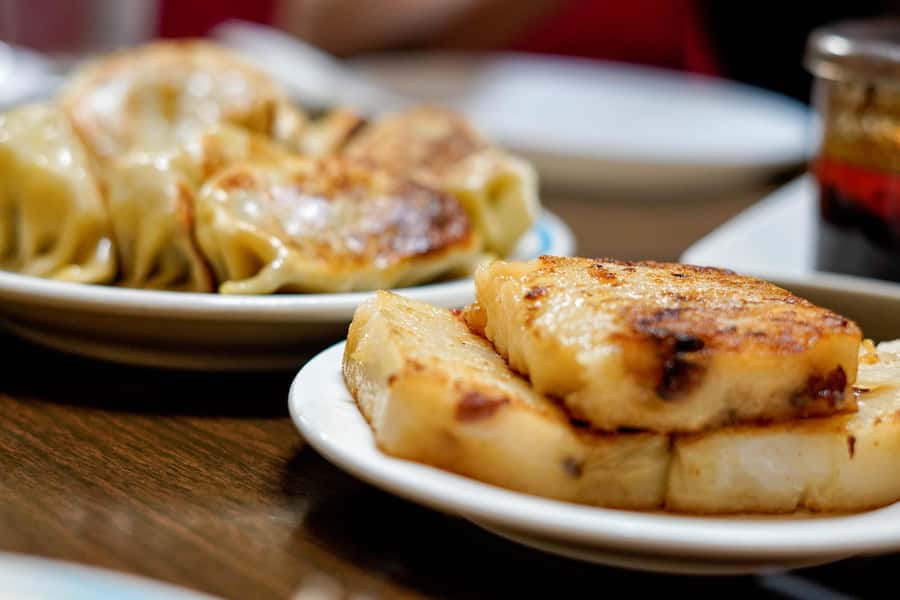
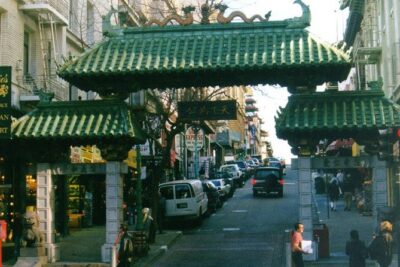
Meet your guide outside House of Dim Sum, in the heart of Chinatown. This is a sensible beginning because dim sum gives you an immediate introduction to the neighborhood’s food culture instead of making you wait until the end for the main event.
You can expect a proper opening meal rather than a single taste. The exact dishes are not specified, so you should think of this as a shared dim sum feast rather than a fixed menu you can choose in advance. If you are unfamiliar with dim sum, the guide can help place the food in context as you eat.
Dim sum works especially well on a walking tour because the dishes are small, varied, and easy to share. You get a chance to try several flavors without filling up on one large entrée. Still, pace yourself. This tour keeps feeding you for three hours, and the opening meal is only the first course in a long afternoon.
As you eat, the guide introduces the story of America’s oldest Chinatown. That background matters. The food is not presented as a collection of unrelated snacks. It is tied to the neighborhood’s businesses, families, traditions, and long effort to create a home in San Francisco.
The group limit helps here. With 10 people or fewer, you have a better chance to hear the explanation over the room’s normal restaurant noise. The tour is in English, and a recent experience with guide Dale was praised for its blend of Chinatown history and food.
More ways into Chinatown:
- Chinatown & North BeachLittle Italy: 7 Tastings & History
★ 5.0 · 1,070 reviews - Ghost Hunt in SF Chinatown with a Professional Investigator
★ 5.0 · 922 reviews - San Francisco Chinatown Walking Tour
★ 5.0 · 778 reviews
Watching fortune cookies take shape
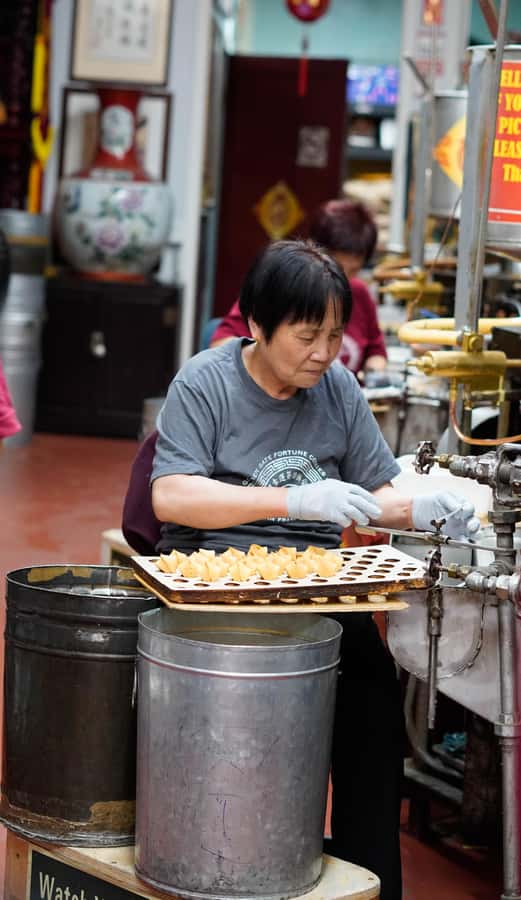
The next stop is a fortune cookie factory, described as the first in the world. This is one of the tour’s most distinctive stops because it shows a small piece of food production that many people only encounter after the meal.
You can watch the cookies being made and sample them fresh. That simple change in timing matters. A packaged fortune cookie is familiar, but seeing it while it is being formed gives you a clearer sense of the work behind it. You also get the playful moment of checking your own fortune.
This is not a large museum-style attraction. The appeal is the close-up look at a Chinatown business and the chance to connect a familiar American Chinese restaurant custom with its local setting. If you enjoy short, specific stops more than long lectures, this should be one of the tour’s highlights.
It is also a useful reminder that Chinatown’s food traditions are not frozen in one historical period. The tour moves between older customs, modern drinks, family businesses, and foods that have become part of American popular culture.
Bubble tea and Chinatown’s side streets
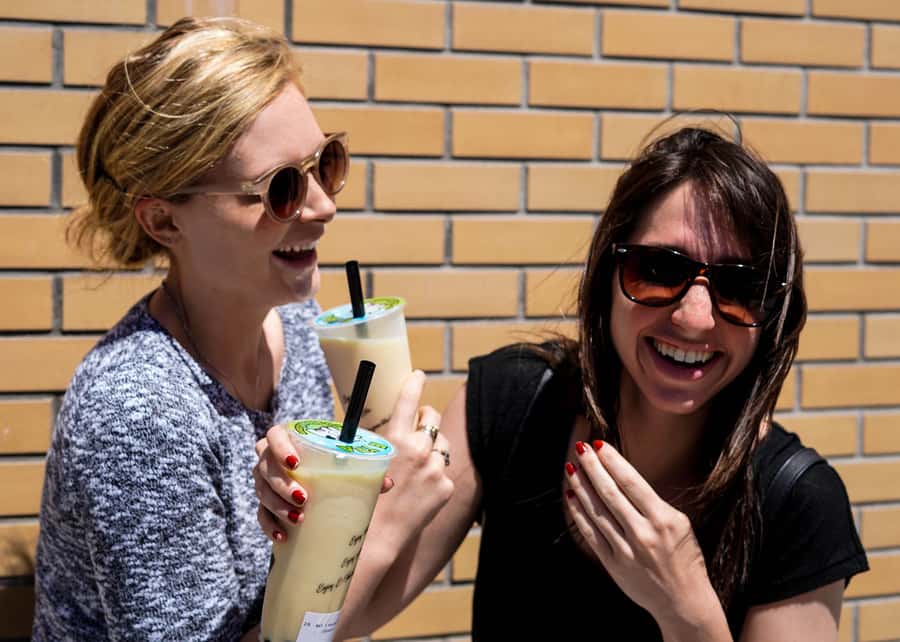
After the fortune cookie stop, you get a bubble tea and walk through Chinatown’s less obvious alleyways. The drink adds a contemporary note to the route, while the streets provide some of its strongest historical material.
The alleys are connected with stories of gambling halls, sailors, inexpensive haircuts, and people trying to build a new life in San Francisco. The listed detail about 10-cent haircuts gives you a useful sense of the everyday businesses that once served the neighborhood. These are not grand monuments. They are small clues to how people worked, socialized, and got by.
I like this part because it asks you to look closely. You are not simply moving from restaurant to restaurant. The guide uses narrow streets and old commercial spaces to explain how Chinatown functioned as a community.
The bubble tea also makes the stop easygoing. You have something to sip while walking, rather than another sit-down course immediately after dim sum. Since the route includes food and drinks at several points, you should wear comfortable shoes and avoid arriving after a large breakfast.
The tour is not described as a strenuous hike, but it is a walking experience through city streets and alleyways. If you have mobility concerns, contact the provider before booking. The tour is designed with accessibility in mind, and wheelchair access is listed, but the specific route details are not provided.
Pastries, a surviving church, and Gold Rush echoes
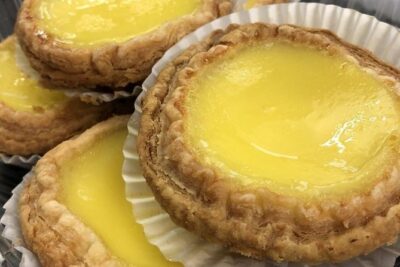
A historic family-owned bakery comes next, with a classic Chinese pastry to sample. This stop adds another layer to the food story. A bakery is not just a place to buy something sweet or flaky. It shows how family businesses help carry recipes and habits from one generation to the next.
The pastry is part of the included food, but the setting is just as important. You get to see the neighborhood through the places that continue serving local customers. The experience is more personal than a generic city food crawl because the stops point toward specific businesses and traditions.
Along the way, the guide also brings you past a church that survived the 1906 earthquake. This gives the walk a strong physical link to San Francisco’s past. You are not only hearing about a disaster in a museum or on a plaque. You are looking at a building that endured it.
The route then reaches a park that once served as a gathering place during the Gold Rush. That connection broadens the story beyond Chinese food. Chinatown’s past is tied to the larger growth of San Francisco, including the people who arrived, worked, gathered, and made claims on the city during its early years.
These stops may appeal most if you like food tours that include architecture and local history. If you want nonstop eating with little explanation, the church and park may feel like pauses in the meal. I think they improve the tour, but they also explain why the $99 price is not based on food alone.
A different sort of San Francisco day, for when the fog rolls in:
- Muir Woods and Sausalito (Return by Bus or Ferry)
★ 4.5 · 5,098 reviews - Big Bus SF: Hop-on Hop-off Tour with 17 Stops and Sunset Option
★ 4.0 · 4,539 reviews - Napa and Sonoma Wine Country Full-Day Tour from San Francisco
★ 4.5 · 4,455 reviews - Small Group Yosemite and Giant Sequoias Day Trip from San Francisco
★ 5.0 · 3,671 reviews
Duck, savory rolls, and the question of value
Depending on the weather, you either eat outdoors in the park or sit inside a local eatery for more food. This flexible plan is practical, especially in San Francisco, where conditions can change and an outdoor meal is not always comfortable.
The savory stop includes rolls and roasted specialties, including duck. Peking Duck is specifically listed as part of the full meal, and one food-focused account enjoyed the combination of dim sum, bubble tea, fruit mochi, and duck. Dessert is included as well, though the exact dessert can vary.
This is where you should think carefully about the price. At $99, the tour gives you more than a basic tasting walk: several food stops, drinks, a guided history walk, a factory visit, and a tea tasting. If you would otherwise pay separately for dim sum, bubble tea, a pastry, duck, dessert, and tea, the package may feel reasonable.
But the value depends on portion size and your priorities. You are not booking a luxury meal or a private tour. The food is served as part of a moving neighborhood experience, and the three hours include walking and storytelling. One participant felt the cost was somewhat high for what was provided, even while enjoying all the food and learning about Chinatown.
My advice is to compare it with what you want from the day. If you mainly want the cheapest way to eat dim sum, this is not the right choice. If you want a ready-made introduction to Chinatown with the meal organized for you, the price is easier to justify.
Finishing with Chinese tea culture
The final stop is a nostalgic tea shop, where the tour shifts from quick tastes to a slower lesson in Chinese tea culture. This change of pace is welcome after several food stops and city streets.
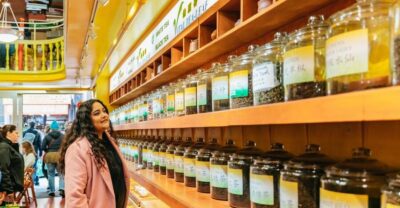
Tea here is treated as an art and a social tradition, not just a hot drink. You get a tasting and an explanation of why tea matters in Chinese culture. The format encourages you to pay attention to aroma, flavor, and the way the tea is served.
The tasting was the most highly praised part of the experience in the available feedback. One participant called it the highlight and said it provided a lot to learn. That makes sense: tea offers the tour a calm ending and gives the guide room to explain a tradition that might otherwise be reduced to a drink on a restaurant menu.
You may also hear a story from someone local, if the timing is right. That possibility adds a human touch, though it should not be treated as a guaranteed part of every tour. The confirmed part is the tea tasting and the chance to learn about Chinese tea customs.
If you have already visited Chinatown’s restaurants, this final stop may be the part that gives you something new. It moves the focus from what you eat to how food and drink connect with manners, memory, and daily life.
How the three hours feel
The tour is carefully packed. You begin with a full dim sum meal, then move through a factory, alleyways, a bakery, historic sites, another savory food stop, and a tea shop. That is a lot for three hours.
The advantage is variety. You will not spend the whole afternoon in one restaurant, and you will see parts of Chinatown that are easy to miss if you only follow the main shopping streets. The tradeoff is that the schedule may feel full, especially if you prefer long meals or extended time at each stop.
Come hungry, but do not arrive starving. You need enough appetite for the full route, yet you also want to enjoy the first meal without worrying about the later duck, pastry, dessert, and tea. Since the tour includes several drinks, the pace may feel more comfortable if you treat each sample as part of a long tasting rather than one large meal.
The group limit of 10 is a real advantage. A small group makes alleyway stops easier and gives you more opportunity to ask about the food, buildings, and stories. It also keeps the experience from feeling like a large procession through narrow streets.
The guide meets you at the restaurant rather than picking you up at your hotel. Plan your own way to House of Dim Sum, and remember that hotel pickup is not included. Starting times vary, so check the available time when you book.
Who should book this Chinatown food walk
I would recommend this tour to first-time visitors who want an efficient introduction to Chinatown. It suits you especially well if you like to learn the story behind a dish, sample several foods, and walk through older parts of a neighborhood rather than simply eat at one restaurant.
It is also a good choice for couples, small groups of friends, and adults who want a guided experience without a large coach group. The English-speaking format and small size make it easier to follow the history and ask questions.
Families need to read the age rules closely. Children under 2 are free, but the experience is not recommended for children under 7. Anyone older than 7 requires a full ticket, and there are no kids meals. That makes the tour a better fit for older children who are willing to try unfamiliar foods and walk for several hours.
You should also consider your appetite and food preferences. The tour includes dim sum, bubble tea, pastry, duck, dessert, soft drinks, and tea, but no menu substitutions or dietary arrangements are stated. If you have allergies or strict dietary needs, ask the provider before booking.
Alcohol is not included. Pets are not allowed. The tour is wheelchair accessible, but contact the provider for route-specific details.
Should you book it?
Book this Chinatown tour if you want food plus context, not just a list of restaurant samples. The fortune cookie factory, alleyway stories, surviving church, Gold Rush-era park, and tea shop give the meal a clear sense of place.
The strongest reasons to choose it are the small group, the wide range of included food, and the tea tasting at the end. The main reason to hesitate is the $99 price, particularly if you measure value only by portion size.
For a first visit to Chinatown, I think the package is well suited to a half-day introduction. Arrive ready to eat, wear comfortable shoes, and leave room for the tea. If you already know the neighborhood and mainly want an inexpensive meal, spend the money on a restaurant instead.
FAQ
How much does the San Francisco Chinatown Dim Sum and Tea Tour cost?
The tour costs $99 per person. Children under 2 are free, while children over age 7 require a full ticket.
How long does the tour last?
The guided experience lasts three hours. Starting times vary, so check availability for the date you want.
What food and drinks are included?
The included food consists of dim sum, bubble tea, Peking Duck or duck specialties, a Chinese pastry, dessert, and soft drinks. A tea tasting is also included.
Where does the tour meet?
The guide meets you outside House of Dim Sum in San Francisco Chinatown. Hotel pickup is not included.
Is the tour suitable for children?
Children under 7 are not recommended for this experience. Children over 7 need a full ticket, and the tour does not provide kids meals. Children under 2 are free.
Can I cancel the tour or pay later?
You can cancel up to 24 hours in advance for a full refund. A reserve-now, pay-later option is also available.
Newest San Francisco write-ups
- Filoli House & Garden★ 5.0 · 20 reviews
- Fisherman’s Wharf & Pier 39 Food Tour – Includes Full Meal, 3 hrs★ 5.0 · 9 reviews
- San Francisco Four Peaks Tour★ 4.0 · 4 reviews
- Express San Francisco Layover Tour w Airport Pickup and Dropoff★ 5.0 · 6 reviews
- Napa Valley Wine and Food Tasting Tour from San Francisco★ 5.0 · 7 reviews
- Experience the Thrills of Yosemite: 3-Day Package★ 5.0 · 3 reviews
- Early Bird: Electric Scooter Rental to Golden Gate Bridge★ 5.0 · 6 reviews
- San Francisco Gregangelo Museum – Immersive Kids’ Tour★ 5.0 · 5 reviews
Chinatown Tours, compared.
Chinatown & North BeachLittle Italy: 7 Tastings & History
Read our review →
Ghost Hunt in SF Chinatown with a Professional Investigator
Read our review →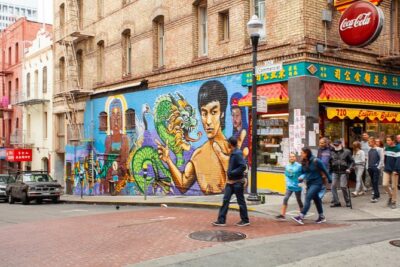
SF’s Chinatown: Tea & Dim Sum Food Tour – Includes full meal, 3hr
Read our review →
Browse the lists this tour appears in