
Reviewed · MISSION DISTRICT TOURS
San Francisco: Mission District Food & History Walking Tour
San Francisco’s Mission District makes more sense when you eat your way through it. This 210-minute walk links Mission Dolores, the Golden Fire Hydrant, local food, neighborhood architecture, and politically charged murals in Balmy Alley.
I like the local storytelling, especially with guide Joseph, who grew up in the community and brings personal knowledge of its people, music, food, and buildings. I also like the mix of tastes and history: Oaxacan-style dishes, coffee, Mission Street shops, and stories about the 1906 earthquake all share the same route.
The main drawback is time. The tour spends about an hour around Mission Dolores Park and another hour on food tasting, so the pace may feel slow if you want a quick overview or have limited time in San Francisco.
Key points to know before you book
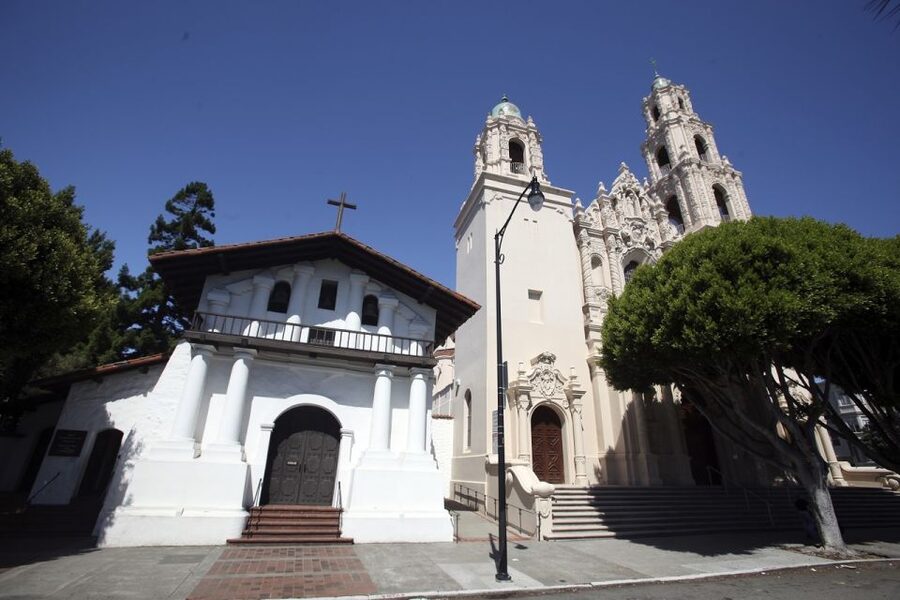
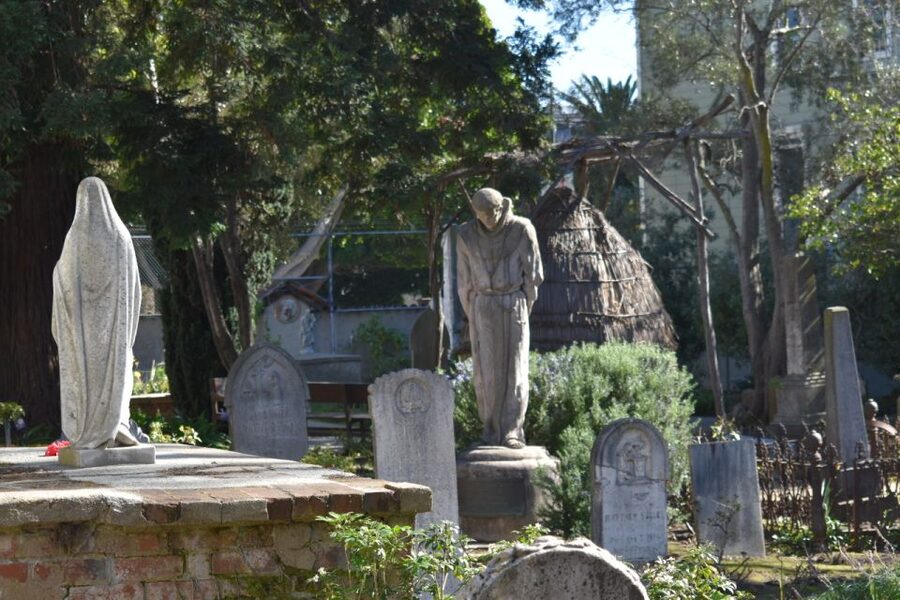
- Mission Dolores begins the story: Enter one of San Francisco’s oldest buildings and see the city’s only cemetery within its limits.
- The Golden Fire Hydrant has a dramatic role: It is said to have helped save the Mission District during the 1906 earthquake and fire.
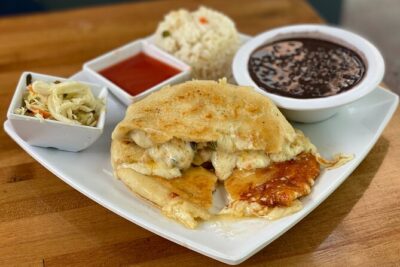
- Café de Olla brings the neighborhood to the table: Expect handmade Oaxacan-style food, including quesadillas, tamales, tlayudas, and tortillas.
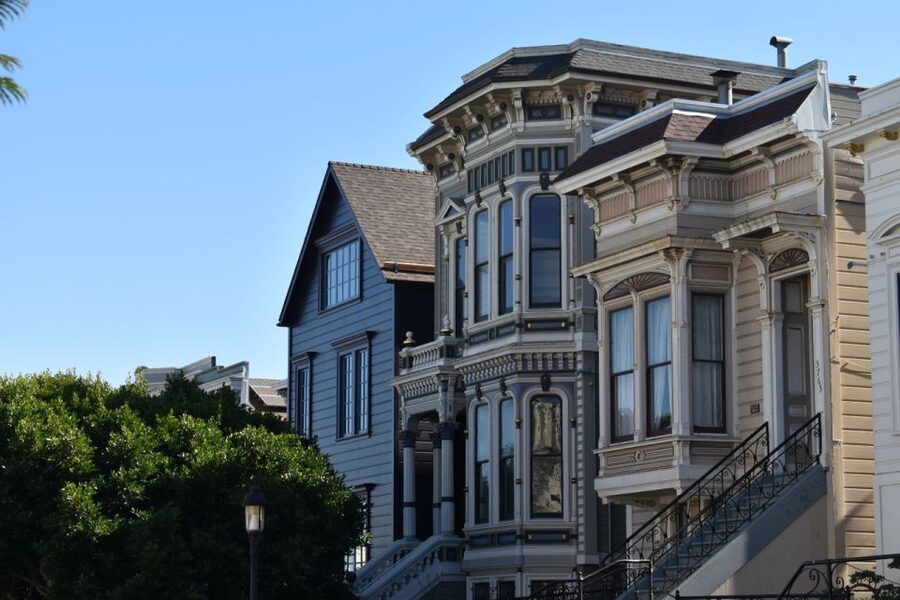
- Mission Street adds daily life: The route passes traditional stores, theaters, and a mix of Victorian, stick-style, and Mission Revival buildings.
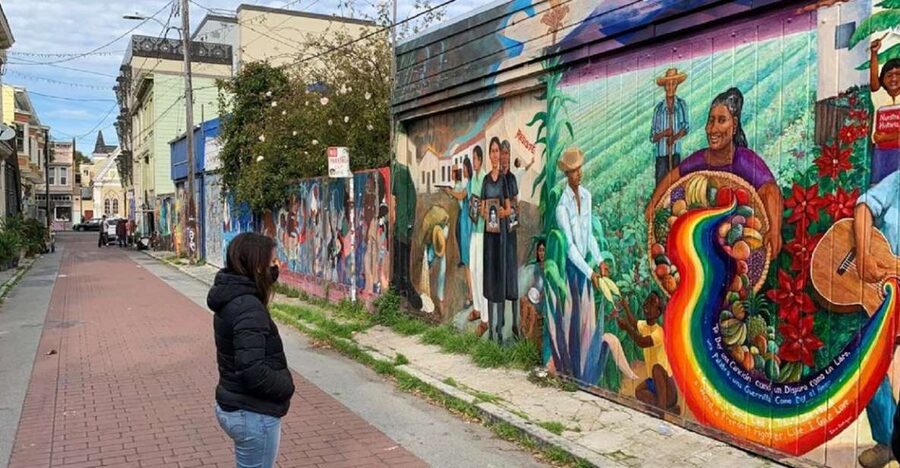
- Balmy Alley gives the walk a serious finish: Its murals address human rights abuses and political repression in Central America.
- Joseph is a major part of the experience: His local background and personal stories give the streets more meaning than a basic sightseeing walk.
Why the Mission District works best on foot
The Mission is not a neighborhood you understand by checking off one attraction. Its character comes from the way a chapel, a public park, a taco stop, old houses, theaters, shops, and murals sit within the same few blocks.
That is the strength of this tour. You move through the area with a guide who explains how its history, food, architecture, and art connect. The walk also gives you a useful introduction before you return on your own for a longer meal or a second look at the murals.
The route lasts three and a half hours. That is long enough to cover several parts of the district without turning into a rushed march, but you should still wear comfortable shoes and weather-appropriate clothing. This is a real walking tour, not a ride between stops.
The tour is conducted in English. It costs $99 per person, which is not cheap for a neighborhood walk. The value depends on how much you want from the food and interpretation. You are paying for several tastings, entry to Mission Dolores, and a local guide who can add context you would probably miss on your own.
More Mission District food and mural walks:
- Mission District Food Tour: Appetizers, Entrée and Dessert
★ 5.0 · 182 reviews - San Francisco: Mission District Food Tour with 6 Tastings
★ 4.9 · 104 reviews - Mission District Food Tour
★ 5.0 · 69 reviews
Starting at Mission Dolores
Meet your guide in front of Misión San Francisco de Asís, better known as Mission Dolores. This is a strong starting point because the building gives you a clear sense of how old San Francisco is, even in a city often associated with cable cars, Victorian houses, and the 1906 earthquake.
Inside, you can see religious art and learn about the mission’s place in the city’s past. The chapel gardens add a quieter moment before the tour moves into the more active streets of the Mission.
The site also contains the only cemetery within San Francisco’s city limits. That detail is easy to miss when you visit alone, and it changes the way you see the property. This is not simply an old church preserved for sightseeing. It is part of the city’s early story and a reminder that the Mission was once far removed from the modern streets around it.
Allow yourself to listen closely here. The opening history sets up later stops, particularly the stories of migration, community change, religion, and local identity.
Mission Dolores Park and the Golden Fire Hydrant
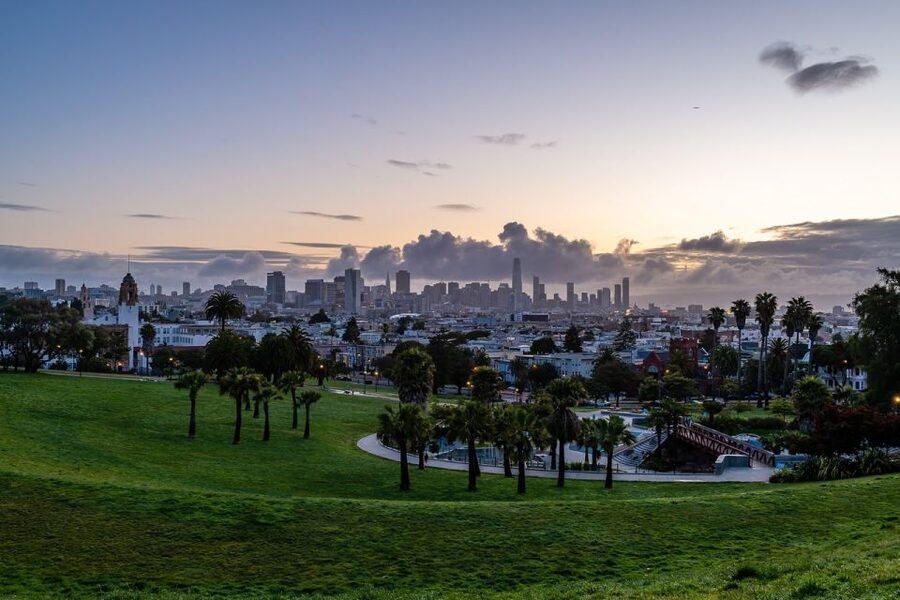
From Mission Dolores, the route continues into Mission Dolores Park, with about an hour spent walking through the area. The park was formerly a Jewish cemetery and is now one of San Francisco’s best-known gathering places.
That shift from cemetery to public park gives the stop more weight than a simple city viewpoint. You see how one piece of land can take on very different roles as San Francisco changes.
The route passes Father Hidalgo’s statue and the Golden Fire Hydrant. The hydrant is famous because it reportedly supplied water that helped save the Mission District during the 1906 earthquake and fire. It is a small object with a large local story, and it makes the earthquake feel less like a distant chapter in a history book.
This part of the tour may be the slowest for some people. The provided schedule allows an hour for the park, and one past participant felt too much time was spent around Mission Dolores. If you prefer a fast-moving tour, keep that in mind. If you like place-based history and want time to look around, the longer stop works in your favor.
Lunch-sized history at Café de Olla
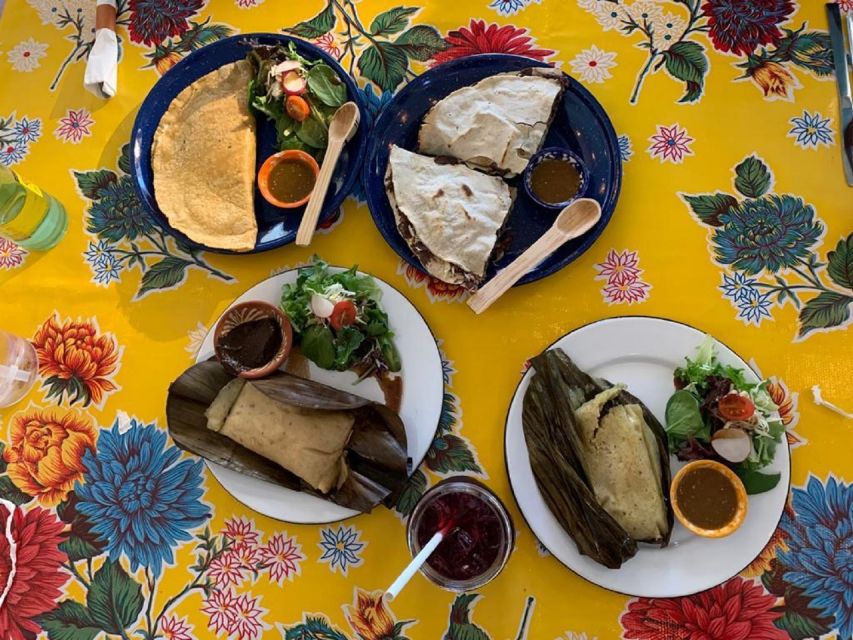
The food portion begins at Café de Olla, located in the heart of the Mission. The restaurant prepares its food from scratch and focuses on Oaxacan-style cooking.
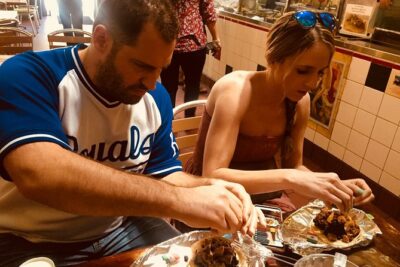
The tasting can include quesadillas, tamales, tlayudas, and tortillas. You may also try a typical drink such as agua fresca or iced café de olla. The exact balance of dishes may vary, but the point is clear: this is more than a token snack between sightseeing stops.
Food gives you a practical way to understand the neighborhood. Ingredients, cooking methods, and family traditions tell a different story from plaques and dates. The meal also creates a natural pause after walking through the park.
For many people, this will be one of the best-value parts of the tour. A food walk can become disappointing when each stop provides one tiny bite and little explanation. Here, Café de Olla is given about 30 minutes, and the tasting includes several recognizable regional foods.
Do not expect a full restaurant lunch unless the tasting happens to be especially generous. If you need a larger meal, plan to eat before or after the tour. The supplied details promise food samples, not a complete dining experience.
More history walks in San Francisco:
- Chinatown & North BeachLittle Italy: 7 Tastings & History
★ 5.0 · 1,070 reviews - North Beach & Little Italy Walking Tour: Food, History & Flavor
★ 5.0 · 1,044 reviews - Chinatown Walking Tour: Food, History & Flavor
★ 5.0 · 575 reviews - San Francisco Whiskey Cocktail Class: Views and City History
★ 5.0 · 206 reviews
Mission Street, old buildings, and everyday life
After eating, you continue along Mission Street for about 30 minutes. This section shifts attention from major landmarks to the daily face of the district.
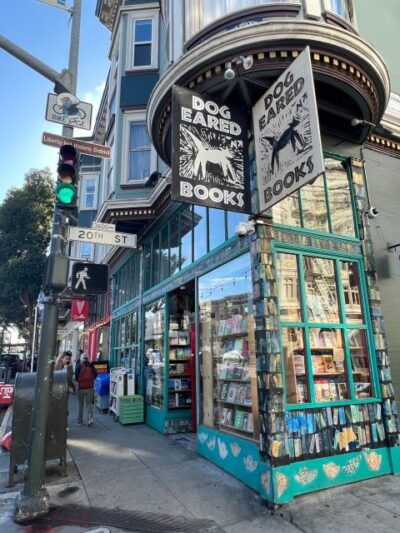
Mission Street is lined with traditional stores and theaters. The route also points out several architectural styles, including Victorian houses, stick-style homes, and mixed-use Mission Revival buildings.
That variety matters because the Mission does not look like a single planned historic quarter. Its buildings reflect different periods and uses. A house may sit near a storefront, while a theater or older commercial building gives the street a different scale.
A guide helps you notice details that can disappear when you are focused on getting to the next attraction. Look up as you walk. The upper floors, porches, trim, and older facades may tell you as much about the neighborhood as the shops at street level.
This is also a good section for understanding the Mission as a living neighborhood rather than an open-air museum. The street is part of everyday life, not just a backdrop for visitors.
The 24th Street food stretch
The next food stop takes about an hour and gives you a choice among tacos, a pastry, or coffee. The route heads toward 24th Street, an eight-block stretch with many food options.
This is useful if you are comparing the tour with a standard restaurant crawl. The tour does not rely on one cuisine or one type of stop. You get an introduction to a wider food corridor, then a chance to think about which places you might return to later.
The choice of taco, pastry, or coffee also makes this part more flexible. You can favor something savory, choose a sweet item, or keep it light with coffee. The information provided does not specify the exact business or item for this second tasting, so you should treat it as a selected stop rather than a fixed tasting menu.
The hour allocated to food makes the tour feel less hurried, but it contributes to the total time. If your main goal is murals or architecture, the food focus may seem substantial. If you came to connect local dishes with neighborhood history, it is a good match.
Balmy Alley and the meaning behind the murals
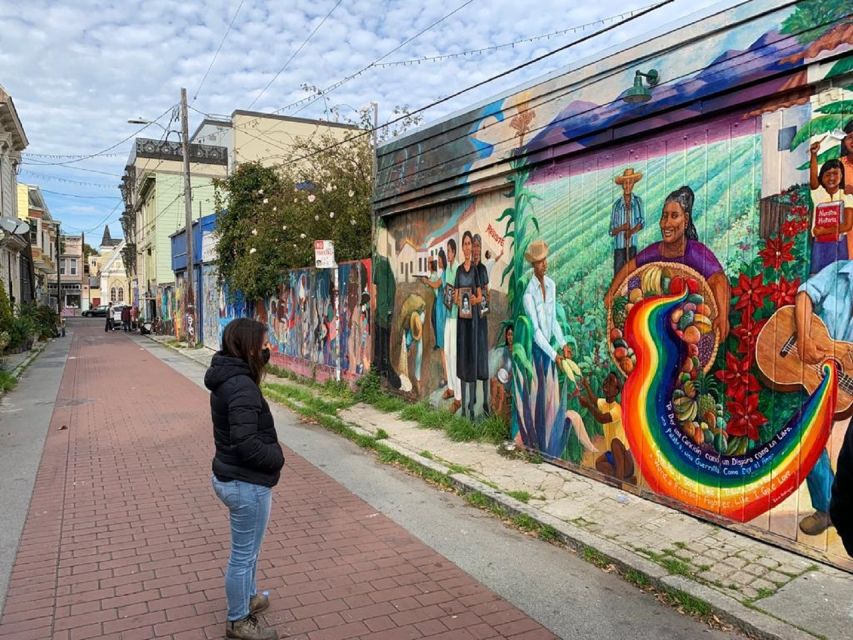
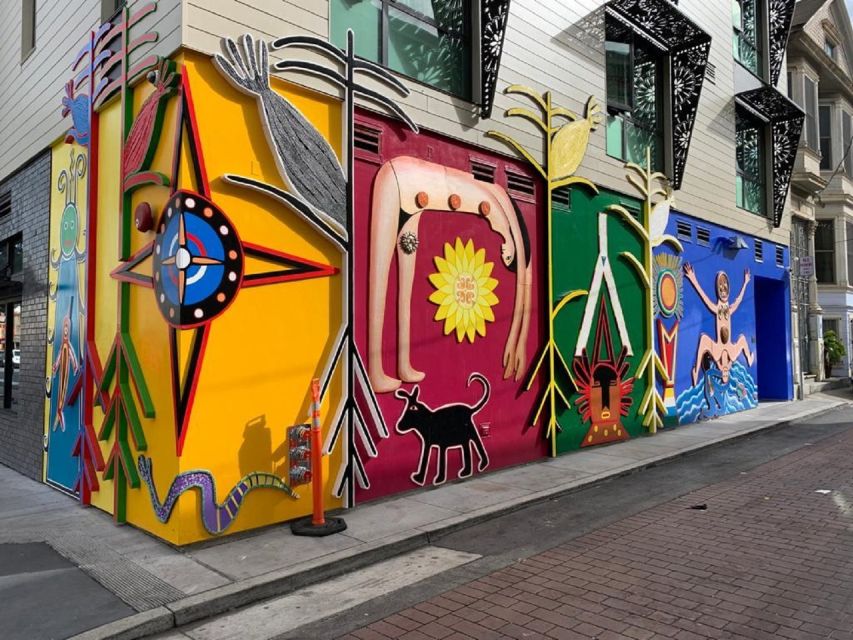
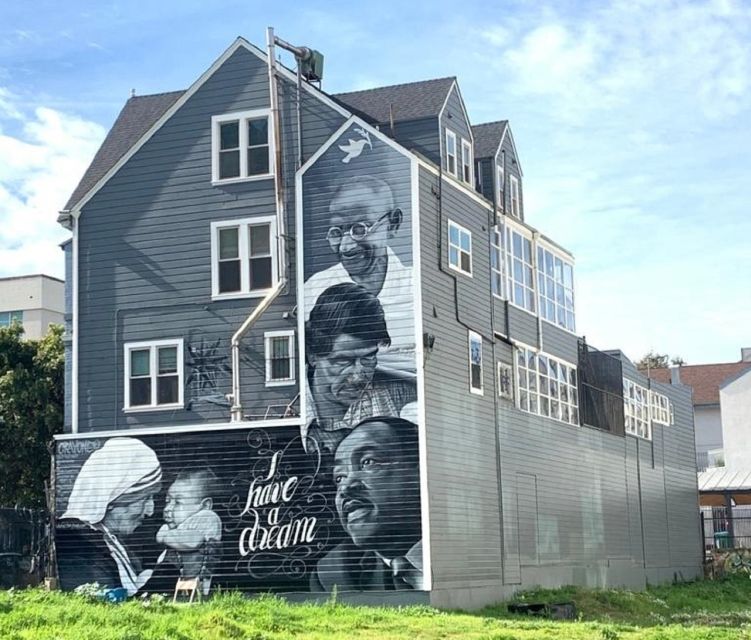
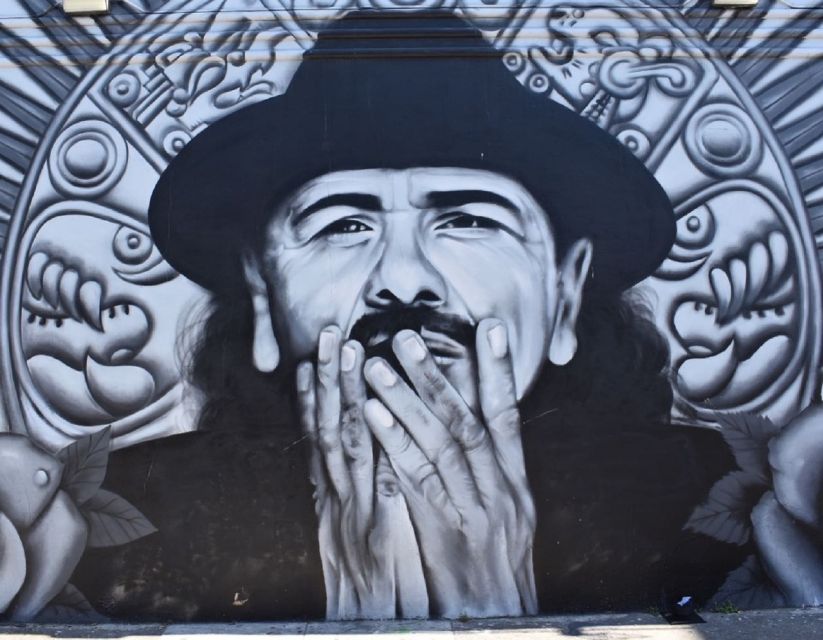
The final stop is Balmy Alley, a narrow passage known for its large collection of murals. This is not just a colorful photo stop.
Many of the murals were painted in response to human rights violations and political abuses in Central America. Their subjects can be painful, and the guide explains the ideas behind the images rather than asking you to admire them only as decoration.
That context is important. Without it, you might see bright colors and dramatic figures but miss the anger, grief, and political purpose behind the work. The murals turn a small alley into a public record of protest and community memory.
Balmy Alley is also a fitting finish because it brings together several themes from the walk: migration, identity, local organizing, politics, art, and the right of a neighborhood to tell its own story.
The tour finishes at 50 Balmy Street. Since the walk ends here rather than returning to Mission Dolores, think about your onward plans before you start. The end point is useful if you want to continue exploring the area, but it is worth noting that you will not finish where you began.
What the guide adds
Guide Joseph receives especially strong praise for his storytelling, warmth, and local connection. He is from the community covered by the tour, and his background includes personal knowledge of the area’s history, art, music, food, people, and architecture.
That matters on a tour like this. The Mission can be reduced to food photos and colorful walls if the guide offers only surface facts. Joseph’s personal stories help connect the buildings and dishes to real community life.
Past feedback also points to his ability to make San Francisco’s past feel close and understandable. He explains the food as well as the history, and his style is described as kind, vivid, and personable.
Guide quality can vary on any scheduled tour, but Joseph is the named guide associated with the strongest praise here. If he leads your walk, expect the personal side of the neighborhood to be a major part of the experience.
Is $99 a fair price?
At $99, this is a mid-to-high priced walking tour. You are not paying only for steps and sightseeing. The price includes a professional English-speaking guide, admission to Mission San Francisco de Asís, food tasting at Café de Olla, and a second tasting of tacos, pastry, or coffee.
The tour also takes three and a half hours. That gives the guide time to explain the Mission rather than rush through a short list of landmarks.
I would consider the price fair if you want a guided introduction with several food stops and prefer not to plan the route yourself. It is less appealing if you mainly want a cheap way to see Balmy Alley or Mission Dolores Park, both of which can be visited without a tour.
The strongest value comes from interpretation. You pay for the connections between the places, not just access to them.
Who should book this Mission District walk?
I would recommend it to first-time visitors who want a neighborhood-focused experience beyond San Francisco’s usual postcard sights. It also suits Bay Area residents who know the city but want a more organized look at the Mission. One participant who lives in the Bay Area found the route introduced places they had never discovered alone.
Food lovers should find plenty to like, especially if tamales, tortillas, tacos, tlayudas, pastries, and coffee appeal to you. History fans will appreciate Mission Dolores, the cemetery, the earthquake story, and the changing uses of the park.
The tour is less suitable for anyone who dislikes walking, prefers a tightly packed schedule, or wants a full meal instead of tastings. It may also feel too slow if your only priority is taking photographs of murals.
Wear comfortable shoes and clothes. Bring layers suited to the weather. The tour is in English, and you should be prepared to spend most of the time on foot.
Should you book it?
Book this tour if you want the Mission explained through food, community stories, architecture, and political art, not just viewed from a sidewalk. Joseph’s local connection is a valuable reason to choose it, and the food stops make the history easier to remember.
Skip it if you have only a short time in San Francisco and need a fast highlights tour. The hour at Mission Dolores Park and the hour devoted to food mean this experience favors a slower, more thoughtful pace.
For the right visitor, $99 buys a useful first understanding of one of San Francisco’s most layered neighborhoods, with enough food and local detail to guide your own return visit.
FAQ
How long does the Mission District Food and History Walking Tour last?
The tour lasts 210 minutes, or three and a half hours.
Where does the tour begin?
Meet your guide in front of Misión San Francisco de Asís, also called Mission Dolores.
Where does the tour finish?
The tour finishes at 50 Balmy Street, San Francisco, California 94110.
What language is the tour conducted in?
The live guided tour is conducted in English.
Is food included?
Yes. The tour includes food tasting at Café de Olla and a second tasting with a choice of tacos, pastry, or coffee.
What foods may be sampled at Café de Olla?
The tasting may include quesadillas, tamales, tlayudas, tortillas, agua fresca, and iced café de olla.
Does the tour enter Mission Dolores?
Yes. Entrance to Mission San Francisco de Asís is included.
What should I bring?
Wear comfortable shoes and comfortable clothing, and bring weather-appropriate clothing.
More food tours in San Francisco
- Small-Group Wine Country Tour from San Francisco with Tastings
★ 5.0 · 1,543 reviews - San Francisco Authentic Food Tour with 5 Locals Favorites Dishes
★ 5.0 · 852 reviews - San Francisco: Half-Day Wine Country Excursion with Tastings
★ 4.3 · 409 reviews - Muir Woods & Wine Tour: Redwoods & Tastings at 3 Wineries
★ 4.5 · 278 reviews
More walking tours around San Francisco
- San Francisco Chinatown Walking Tour
★ 5.0 · 778 reviews - San Francisco LGBTQ Walking Tour with Local Guide
★ 5.0 · 600 reviews - San Francisco: Chinatown Culinary Walking Tour
★ 4.8 · 265 reviews - San Francisco Ghost Hunt Walking Tour
★ 5.0 · 177 reviews
Newest San Francisco write-ups
- Filoli House & Garden★ 5.0 · 20 reviews
- Fisherman’s Wharf & Pier 39 Food Tour – Includes Full Meal, 3 hrs★ 5.0 · 9 reviews
- San Francisco Four Peaks Tour★ 4.0 · 4 reviews
- Express San Francisco Layover Tour w Airport Pickup and Dropoff★ 5.0 · 6 reviews
- Napa Valley Wine and Food Tasting Tour from San Francisco★ 5.0 · 7 reviews
- Experience the Thrills of Yosemite: 3-Day Package★ 5.0 · 3 reviews
- San Francisco Gregangelo Museum – Immersive Kids’ Tour★ 5.0 · 5 reviews
- Early Bird: Electric Scooter Rental to Golden Gate Bridge★ 5.0 · 6 reviews
Mission District Tours, compared.

Mission District Food Tour: Appetizers, Entrée and Dessert
Read our review →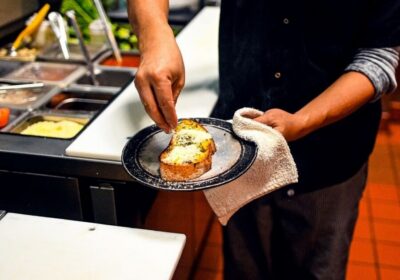
Browse the lists this tour appears in