
Reviewed · MISSION DISTRICT TOURS
San Francisco: Mission District Food Tour with 6 Tastings
San Francisco’s Mission District is best understood one bite and one mural at a time. This three-hour walk brings you to six food stops, from fresh focaccia and a Mission-style baby burrito to a Filipino-Mexican tocino taco, Mexican sweet bread, chocolate, and a final secret dish.
I like the way the food and neighborhood stories work together here. I also like that guides such as Mark, Dara, Zachary, and Harrison bring different personalities and local knowledge to the route. The main drawback is the walking: expect a fair amount of time on your feet, with food that leans hearty and carb-heavy.
Key points to know before booking
- Six tastings in three hours: You get a full sampling rather than one large restaurant meal, so arrive hungry.
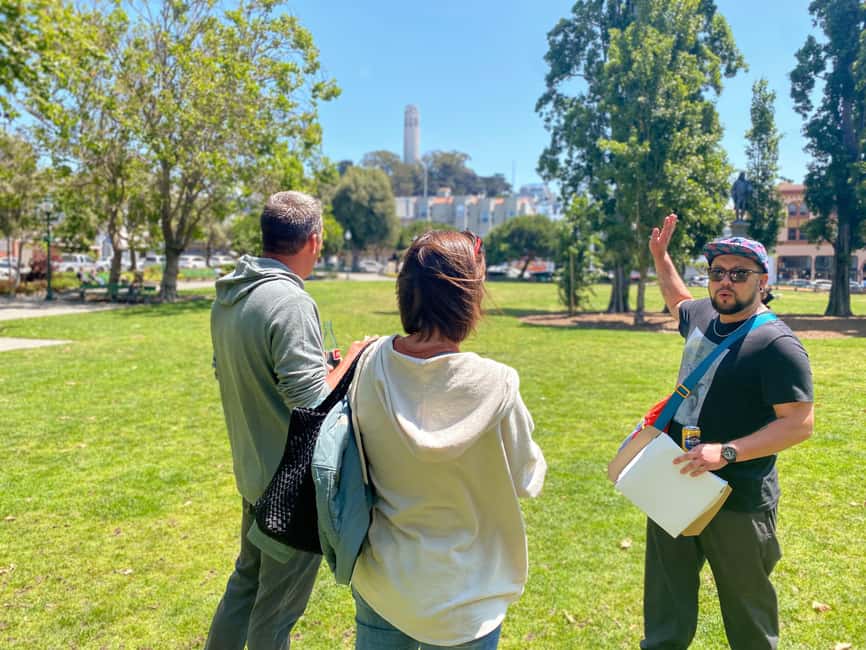
- Mission murals are part of the tour: Your guide explains the art and the community stories behind it.
- The food reflects several cultures: Mexican, Filipino, Italian, and broader San Francisco influences all appear along the route.
- The guide makes the difference: Mark’s food-industry background and Dara’s history and culture talks have been especially useful for understanding the area.
- The menu can change: Food stops depend on availability, weather, and other conditions.
- Plan for walking: Comfortable shoes matter, and the tour is not suitable for wheelchair users or people with mobility impairments.
Why the Mission District works so well for a food walk
The Mission District has changed hands and character over time. Irish, German, and Italian immigrants once helped shape the area, while Latino culture later became central to its identity. Today, the neighborhood’s food, murals, bakeries, taquerias, and street life show several chapters of San Francisco in a compact area.
That makes this more than a meal with a few facts added on. As you walk between stops, your guide connects what you are eating with the people and traditions that helped make the Mission what it is.
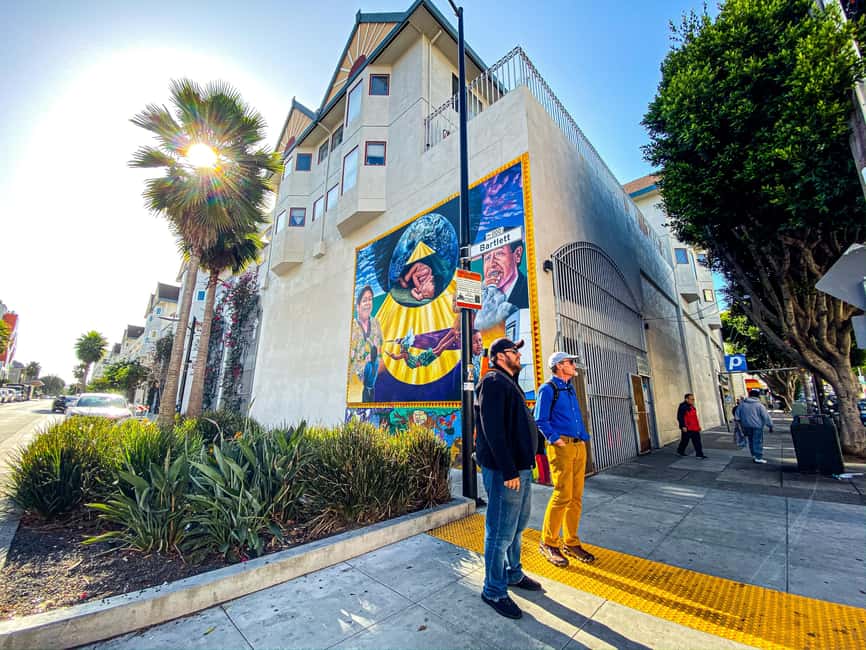
I especially like that the tour does not treat the murals as background decoration. The artwork gives you a way to see how local residents express identity, memory, politics, humor, and pride. Your guide may pause at a wall or public feature that you would otherwise pass without a second glance.
The walking route also gives you a better sense of scale. You are not simply dropped at six unrelated restaurants. You move through streets, look at historic buildings, and see how food businesses fit into the neighborhood around them.
More Mission District food and mural walks:
- Mission District Food Tour: Appetizers, Entrée and Dessert
★ 5.0 · 182 reviews - Mission District Food Tour
★ 5.0 · 69 reviews - Mission District Food and Culture Walking Tour
★ 4.5 · 47 reviews
Starting with focaccia at a Mission bakery
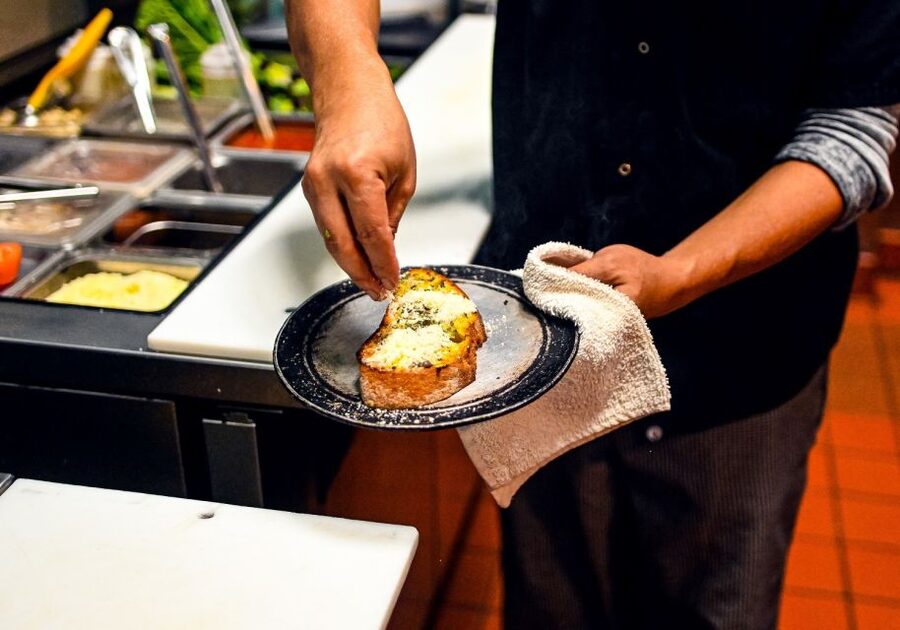
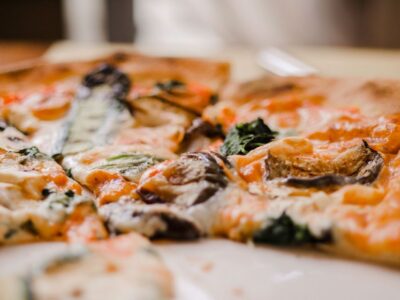
The first tasting is an artisan focaccia square from a well-loved Mission bakery. It is a sensible opening bite: fresh bread gives you something substantial right away, but the portion remains small enough that you can keep eating through the rest of the afternoon.
This stop also sets up one of the tour’s useful themes. The Mission is often reduced to burritos and tacos, yet its food culture reaches beyond one tradition. The focaccia brings in an Italian connection and reminds you that the neighborhood has never had just one culinary voice.
If you are used to light food tours built around tiny samples, this one may feel generous from the start. Several tastings are filling, so resist the urge to eat a large breakfast beforehand.
The Mission-style baby burrito
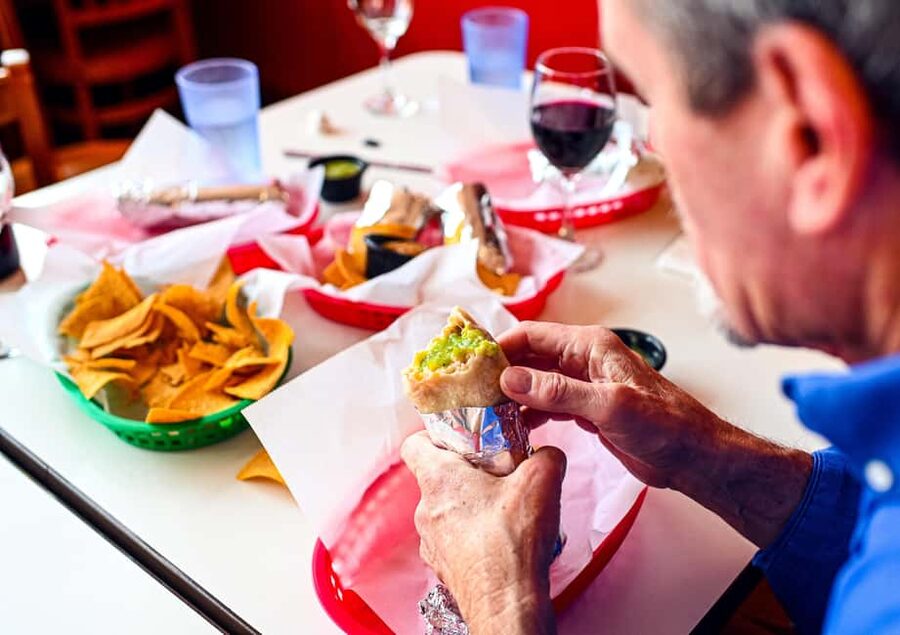
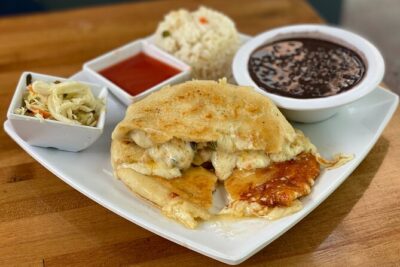
The Mission-style baby burrito is the most direct introduction to the neighborhood’s best-known food tradition. It gives you a taste of the local burrito style without turning the tour into a single oversized meal.
The smaller format matters. A full Mission burrito can be a serious commitment, especially with several more stops ahead. The baby burrito lets you focus on the flavor and style while keeping room for the other tastings.
This is also a good point to ask your guide questions about the Mission’s Latino influence and the local taqueria tradition. Guides have been praised for explaining food alongside the neighborhood’s past, rather than treating the burrito as an isolated dish.
For many people, this will be the favorite savory stop. If you already have a preferred San Francisco burrito place, keep an open mind. The point here is not to settle every burrito debate. It is to understand why this food became such a strong part of the Mission’s identity.
Tocino taco and Filipino-Mexican connections
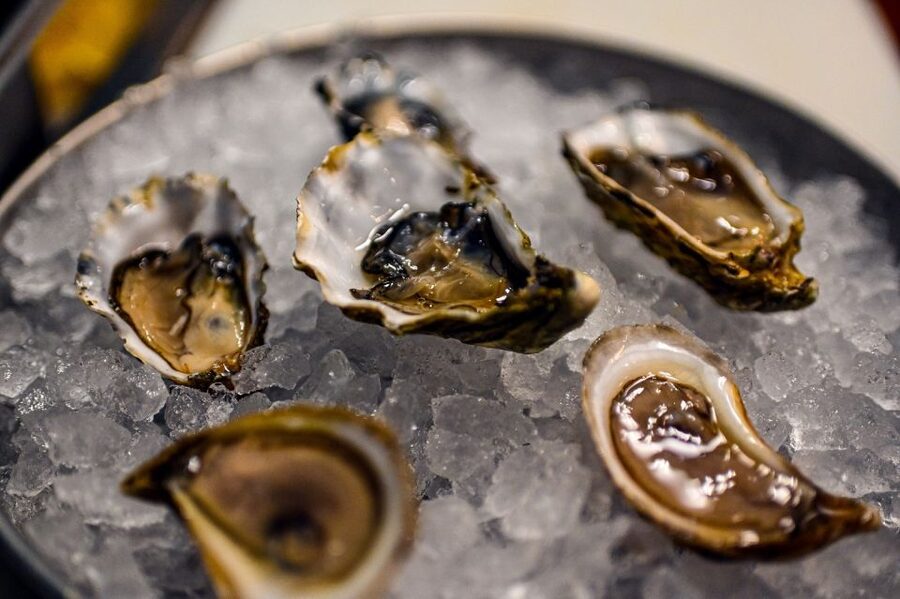
The Filipino-Mexican fusion taco with tocino adds a different note to the route. Tocino is known for its sweet and savory character, and the taco shows how local food keeps changing as communities meet and influence one another.
I like this stop because it avoids presenting the Mission as a museum of fixed traditions. The neighborhood’s food is tied to older Mexican and Latino roots, but it also reflects later migration and new combinations.
This is one of the more distinctive tastings on the tour. You may already know what to expect from focaccia, bread, or a burrito. A Filipino-Mexican taco gives the meal a surprise and helps explain why San Francisco’s food scene is not easy to fit into neat categories.
The menu can change, so do not treat every listed item as guaranteed. The operator notes that food stops and dishes may shift with availability, weather, or other circumstances.
More food tours in San Francisco:
- Small-Group Wine Country Tour from San Francisco with Tastings
★ 5.0 · 1,543 reviews - Chinatown & North BeachLittle Italy: 7 Tastings & History
★ 5.0 · 1,070 reviews - San Francisco Authentic Food Tour with 5 Locals Favorites Dishes
★ 5.0 · 852 reviews - San Francisco: Half-Day Wine Country Excursion with Tastings
★ 4.3 · 409 reviews
Mexican sweet bread from a long-running bakery
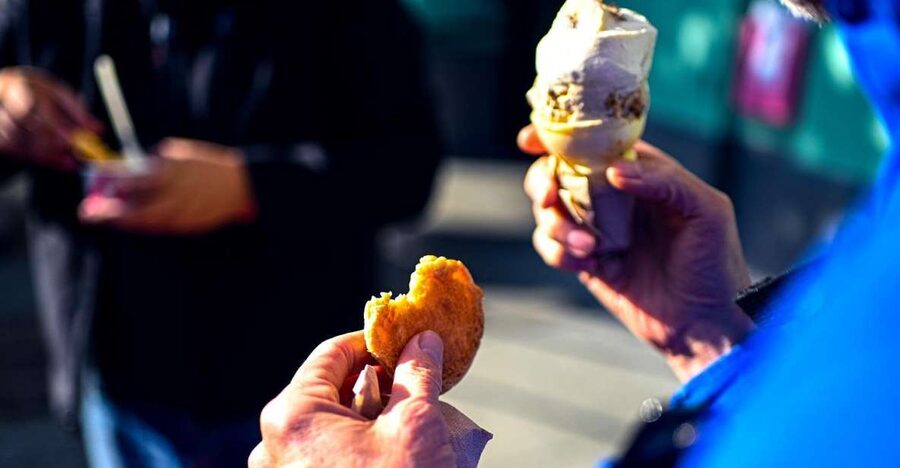
The traditional Mexican sweet bread stop gives the tour a softer, sweeter turn. A neighborhood bakery provides more than a dessert break. It offers a look at a food tradition that is both everyday and deeply tied to community life.
Sweet bread is especially useful on a walking tour because it is easy to share and usually less messy than a plated dessert. It also helps pace the meal. After the burrito and taco, a bakery item gives you a different texture and flavor before the final stops.
The exact pastry may vary. One food tour participant described a pineapple pastry, while the advertised experience highlights traditional Mexican sweet bread. That difference is a good reminder that you should expect the type of tasting rather than one locked-in pastry.
If you have a strong preference about ingredients, contact the operator before the tour. Dietary requests need advance notice, and gluten-free diets cannot be accommodated.
Chocolate, the secret dish, and the final reveal
The experience also includes small-batch chocolate and a Signature Secret Dish revealed during the tour. The secret course is part of the fun, but it makes precise menu planning difficult. You know the broad shape of the experience, not every final detail.
Some food stops described by participants have included sourdough, pineapple pastry, iced chocolate, and other items beyond the core dishes. The company clearly allows some flexibility in the route and menu, so approach the tour as a guided tasting rather than a fixed restaurant crawl.
The secret dish can work well at the end because it gives the guide one last chance to show you something you might not have ordered alone. It may also be the point where the tour feels most personal, since the choice depends on the local businesses and the day’s conditions.
By this stage, you should be comfortably full. The food is not presented as a series of weightless nibbles. One participant jokingly advised bringing two stomachs, which is a useful warning if you tend to eat lightly.
Murals, street art, and stories between meals
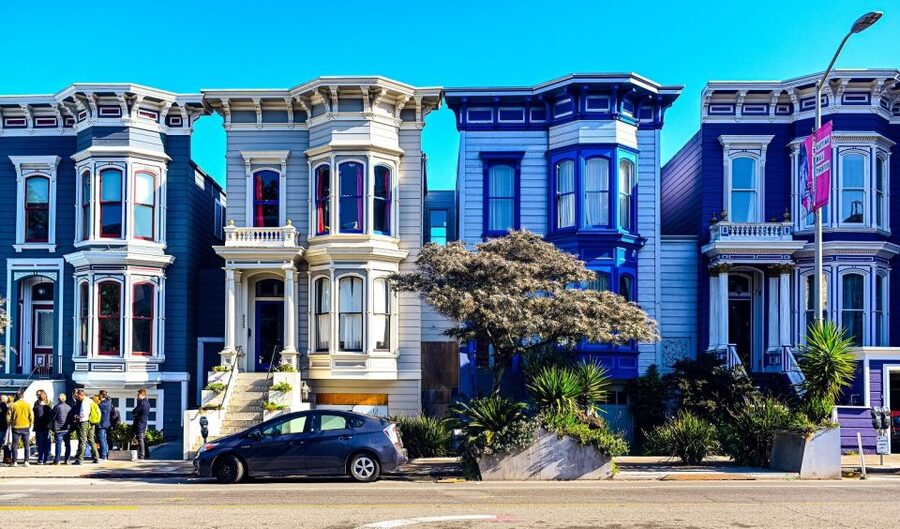
The food is only half the reason to book this walk. The Mission’s murals give the route a visual thread, and your guide explains their place in the neighborhood rather than simply pointing out colorful walls.
The art stops also help break up the eating. Three hours of continuous food sampling would become tiring, but walking through the streets gives your body and attention a reset.
Guides have been singled out for explaining the meaning behind the art and for pointing out features that are easy to miss. Harrison, for example, was praised for an unusual explanation of a brick circle water tank that even local passersby found interesting. Details like that can make the route feel more thoughtful than a standard food checklist.
The best guides also connect the murals to immigrant stories, local businesses, and daily life. Mark has worked in the food industry, and his background gives him a practical way to explain restaurants and ingredients. Dara has been praised for her history and culture talks, while Zachary has been noted for keeping a mixed-age group engaged.
Because the guides rotate, the tone will not be identical every time. You may get a history-focused walk, a food-industry perspective, or a more playful tour. The common thread is the combination of eating, walking, and neighborhood context.
Pace, group feel, and the three-hour schedule
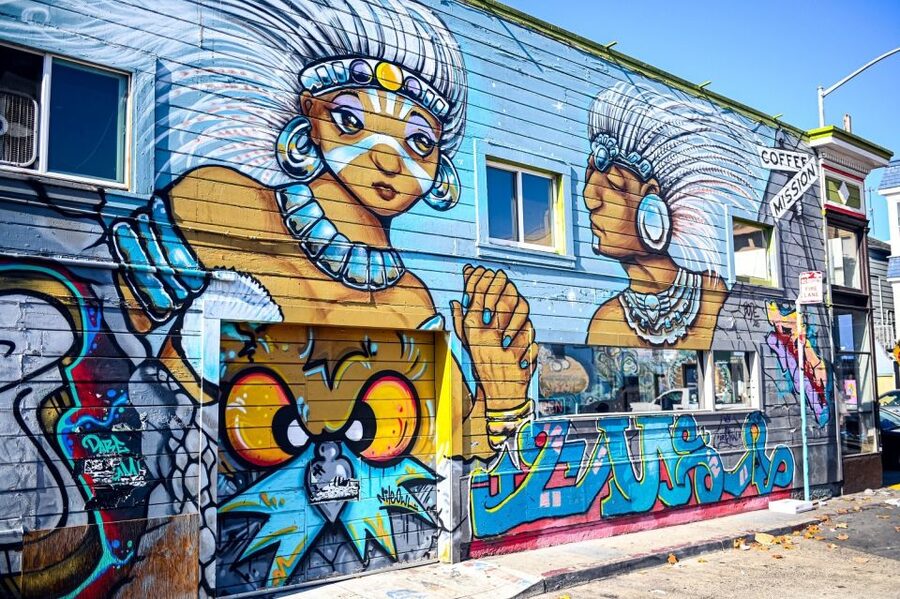
The stated duration is three hours, and that is a useful length for this area. You have enough time to eat and hear stories without giving up an entire day of sightseeing.
The walking can add up. One participant described the tour as a fun way to cover roughly 10,000 steps, so do not wear new shoes. You should also allow extra time after the official end if you want to linger, shop, or return to a favorite food stop.
Group size appears to be manageable, though it can vary. A small group makes it easier to hear the guide and ask questions. It also helps at food counters and bakery stops, where a very large party could slow things down.
The tour has worked for mixed ages, including a group with a teenager, adults, and seniors. That said, the activity is not suitable for wheelchair users or people with mobility impairments. The route includes regular walking, standing, and movement between stops.
Look for the guide holding an orange umbrella at the meeting point. Transportation to and from your accommodation is not included, so plan your own way to the start.
Is $90 a fair price?
At $90 per person, this is not the cheapest way to eat in the Mission. You could order a burrito and pastries for less if your only goal is calories.
The value comes from the combination of six tastings, a three-hour guided route, mural stops, and local context. You are paying for access to several small food businesses without having to research them yourself, plus someone who can explain why each stop matters.
The price makes more sense if you are new to San Francisco or want a structured introduction to the Mission. It is also useful early in a trip, since you may discover places you want to revisit on your own.
For an experienced local who already knows the neighborhood, the value depends on the guide and the chance to learn something new. The food is generous, but some participants have found the selections more bread and starch focused than fresh or light.
With a 4.9 rating from 104 ratings, the experience has a strong record. The praise centers on the guides’ local knowledge, the quality and amount of food, the murals, and the way history is woven into the walk. The occasional cautions are practical: the route can run longer than expected, some dishes may not suit every palate, and the menu can change.
Who should book this Mission food tour?
I would choose this for a first visit to San Francisco, especially if you want one neighborhood explained through food rather than seen from a sightseeing bus. It suits people who enjoy trying several dishes and asking questions along the way.
It is also a good match for visitors who like street art, immigrant stories, and local businesses. You do not need to be a serious food expert. The guide handles the background, while you focus on tasting and noticing the streets around you.
Families and mixed-age groups can make it work, provided everyone is comfortable walking. English is the only listed tour language, and the live guide leads the experience in English.
I would be cautious if you need gluten-free food, have trouble walking for several hours, or want a carefully fixed menu. The operator cannot accommodate gluten-free diets, and both the food and route may change.
Book with room in your schedule rather than placing it immediately before another timed activity. A past tour ran well beyond the stated duration, and the food itself can take time. Free cancellation is available up to 24 hours ahead, and you can reserve now and pay later if your plans are still shifting.
Should you book it?
Book this tour if you want the Mission District explained through food, murals, and community stories, not just photographed from the sidewalk. The burrito and tocino taco offer strong savory highlights, while the focaccia, sweet bread, chocolate, and secret dish give the route variety.
Skip it if you want a light tasting menu, guaranteed dishes, or very little walking. For most visitors who arrive hungry and wear comfortable shoes, $90 is a reasonable price for a well-guided introduction to one of San Francisco’s most distinctive neighborhoods.
FAQ
How long does the Mission District food tour last?
The tour lasts three hours, though you should allow some flexibility because the experience may run longer than scheduled.
How many tastings are included?
The experience includes six tastings. The named foods include artisan focaccia, a Mission-style baby burrito, traditional Mexican sweet bread, a Filipino-Mexican tocino taco, chocolate, and a Signature Secret Dish.
What food should I expect?
You can expect a mix of bakery items, Mexican and Filipino-Mexican food, chocolate, and a secret final tasting. The menu may change depending on availability, weather, and other conditions.
Is the secret dish revealed in advance?
No. The Signature Secret Dish is revealed during the tour.
Is the tour offered in English?
Yes. The live tour guide leads the experience in English.
Can the tour accommodate dietary requirements?
You should contact the operator in advance with any dietary requirements. Gluten-free diets cannot be accommodated.
Is transportation included?
No. Transportation to and from your accommodation is not included. You need to make your own way to the meeting point.
Is the tour suitable for wheelchair users?
No. The tour is not suitable for wheelchair users or people with mobility impairments because it involves a fair amount of walking.
More places to eat your way around San Francisco
- North Beach & Little Italy Walking Tour: Food, History & Flavor
★ 5.0 · 1,044 reviews - Chinatown Walking Tour: Food, History & Flavor
★ 5.0 · 575 reviews - San Francisco: North Beach and Little Italy Food Tour
★ 4.8 · 188 reviews - Ultimate Electric SF Bike Tour- food, icons & local hidden gems
★ 5.0 · 182 reviews
Newest San Francisco write-ups
- Fisherman’s Wharf & Pier 39 Food Tour – Includes Full Meal, 3 hrs★ 5.0 · 9 reviews
- Filoli House & Garden★ 5.0 · 20 reviews
- San Francisco Four Peaks Tour★ 4.0 · 4 reviews
- Express San Francisco Layover Tour w Airport Pickup and Dropoff★ 5.0 · 6 reviews
- Napa Valley Wine and Food Tasting Tour from San Francisco★ 5.0 · 7 reviews
- Experience the Thrills of Yosemite: 3-Day Package★ 5.0 · 3 reviews
- Early Bird: Electric Scooter Rental to Golden Gate Bridge★ 5.0 · 6 reviews
- San Francisco Gregangelo Museum – Immersive Kids’ Tour★ 5.0 · 5 reviews
Mission District Tours, compared.

Mission District Food Tour: Appetizers, Entrée and Dessert
Read our review →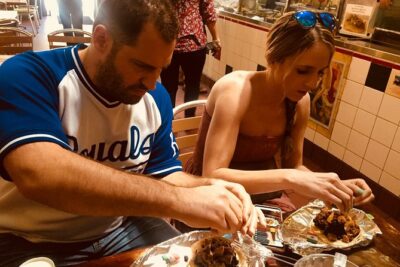

Browse the lists this tour appears in