
Reviewed · SAN FRANCISCO WALKING TOURS
San Francisco Architecture Walking Tour
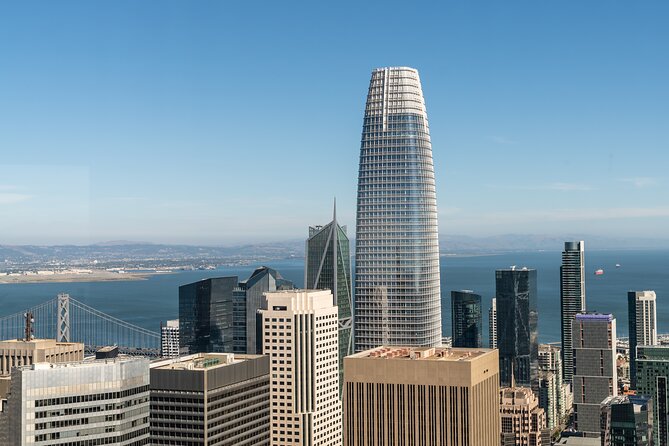
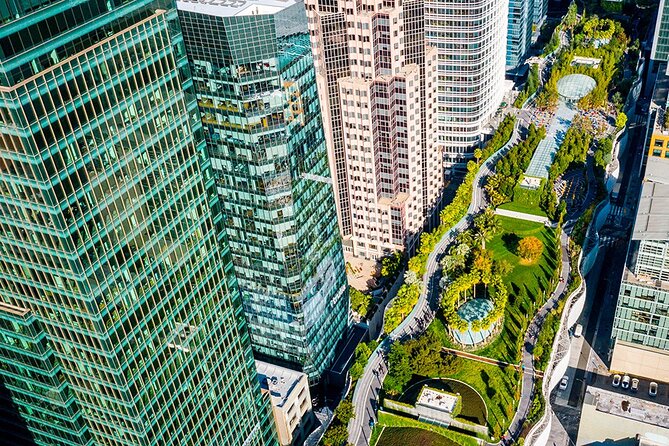
San Francisco’s Financial District makes more sense when you stop treating it as a wall of glass and steel. This 2.5-hour architecture walk looks at classic and modern buildings, urban spaces, and the city’s past and future plans from street level, where details are easy to miss.
I like the small group cap of 10, which should make it easier to hear Rick and ask questions. I also like the detailed handout and the focus on the best angles for viewing buildings, since good architecture can look flat from the wrong side of the street.
The main drawback is that this is a walking tour with no transportation, and it requires a moderate level of fitness. You’ll also want to confirm the exact meeting and finishing details, since the information gives the starting point clearly but lists two different Bush Street references for the end.
Key points to know before you book
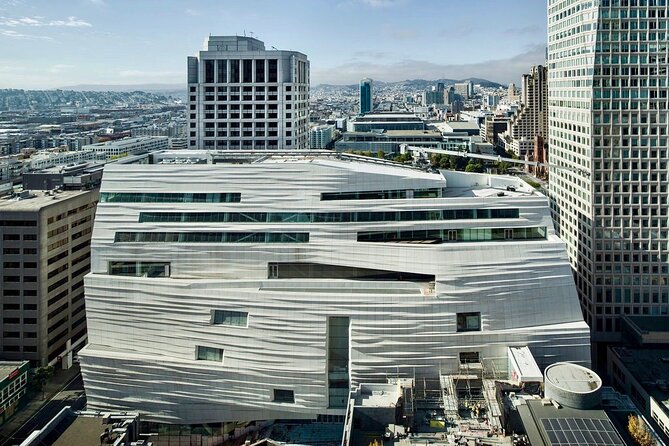
- Start at SFMOMA: Meet Rick at the front entrance of the San Francisco Museum of Modern Art, 151 3rd Street, at 2 pm.
- See more than famous facades: The route focuses on classic and modern buildings in the Financial District, including places not covered by other tours.
- Learn how the city took shape: The discussion covers San Francisco’s earlier urban plans and ideas about its future growth.
- Keep the group personal: A maximum of 10 people makes this a more focused experience than a large street tour.
- Bring comfortable walking shoes: The tour lasts about two and a half hours, and no transport is provided.
- Plan for the weather: Poor weather can lead to a new date or a full refund, depending on availability.
Why this walk changes the way you see San Francisco
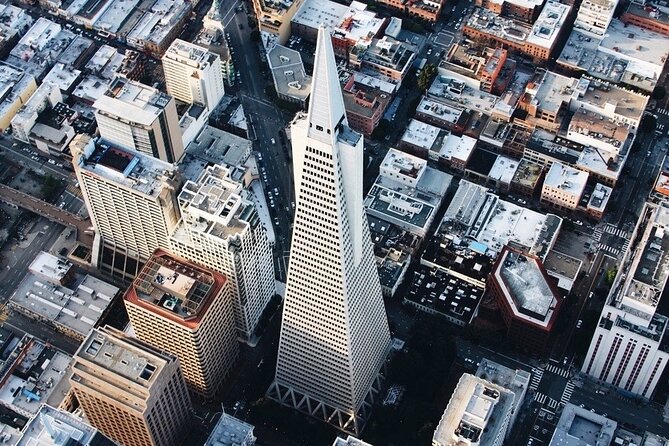
The best part of an architecture tour is not simply learning the names of buildings. It is learning how to look at them. A guide can point out how a facade meets the street, how a public space directs foot traffic, or how an older building relates to a newer one nearby.
That is the promise of this experience. It gives you a fresh way to read the city, especially if you have already visited San Francisco and think you know the downtown core. One review came from an architect who had been to the city many times and still found plenty to learn. That is a useful sign for repeat visitors who want more than a basic introduction.
Rick’s approach appears to focus on interpretation rather than a fast list of dates and names. You can expect stories about the buildings, historical details, and the wider choices that shaped the city. The tour also looks ahead, so it is not limited to old architecture. You’ll hear about how San Francisco has been planned and how its urban form may develop in the future.
I especially like the promise of locating the best vantage points. A building can lose its effect when you view it straight on from a crowded sidewalk. A slight change in position can reveal its scale, decoration, or relationship with the street. That practical advice is useful for photographers, architecture students, and anyone who wants better holiday pictures.
More walking tours around San Francisco:
- North Beach & Little Italy Walking Tour: Food, History & Flavor
★ 5.0 · 1,044 reviews - San Francisco Chinatown Walking Tour
★ 5.0 · 778 reviews - San Francisco LGBTQ Walking Tour with Local Guide
★ 5.0 · 600 reviews
Meeting Rick at SFMOMA at 2 pm
The tour begins at the front entrance of SFMOMA, at 151 3rd Street. The stated start time is 2 pm, so arrive early enough to find the entrance and settle in before the group moves off.
The museum is a sensible starting point for an architecture walk. It places you in the South of Market area, close to the transition between the modern museum district and the Financial District. The tour does not include museum admission, so do not assume that the walking ticket covers time inside SFMOMA.
That does not make the starting point inconvenient. If you want to visit the museum separately, you can plan it before the walk, subject to your own schedule and admission arrangements. If you are booking the tour as part of a full day, allow enough time to move from the museum entrance to the meeting spot without rushing.
Rick is the guide named in the supplied information, and his background appears to cover both architecture and San Francisco history. The strongest praise centers on his ability to explain buildings in an interesting, educational way and to connect architecture with broader city stories.
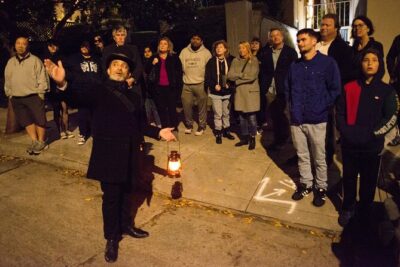
A small group matters here. With no more than 10 people, you should be able to stay close to the guide and hear the explanation without the strained listening that can come with a large crowd. It also gives you a better chance to ask about a particular building, street, or design feature.
From classic buildings to modern city design
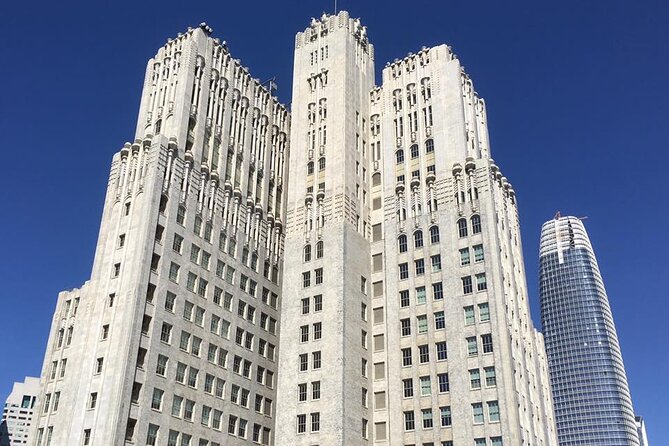
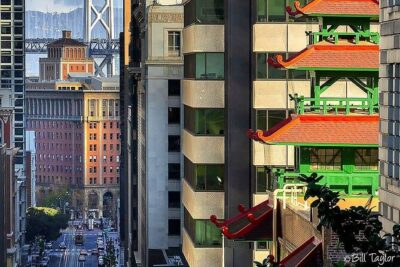
The heart of the walk is the Financial District, with attention to classic and modern buildings that do not always appear on standard city tours. The route is not presented as a simple greatest-hits stroll. Instead, it aims to show how different periods of San Francisco architecture sit beside one another.
That is valuable because downtown can seem visually confusing at first. You may see older stonework, newer towers, offices, plazas, and narrow streets within a short distance. Without context, these elements can look unrelated. A good guide helps you see the decisions behind them.
Expect the tour to move at an easy walking pace, based on the available description and direct comments about the experience. Even so, two and a half hours on foot is not nothing. Wear shoes that are comfortable on city streets, and consider the weather before you leave.
The tour requires a moderate level of physical fitness. The information does not promise a fully accessible route, a seated format, or transportation between stops. If standing and walking for several hours is difficult for you, contact the provider before booking and ask about the route.
The focus on urban spaces is another strong point. Architecture is not only about individual buildings. It is also about what happens between them: the open areas, street views, entrances, and places where people gather or pass through. These spaces can reveal as much about a city’s priorities as the buildings themselves.
What you learn about San Francisco’s urban plan
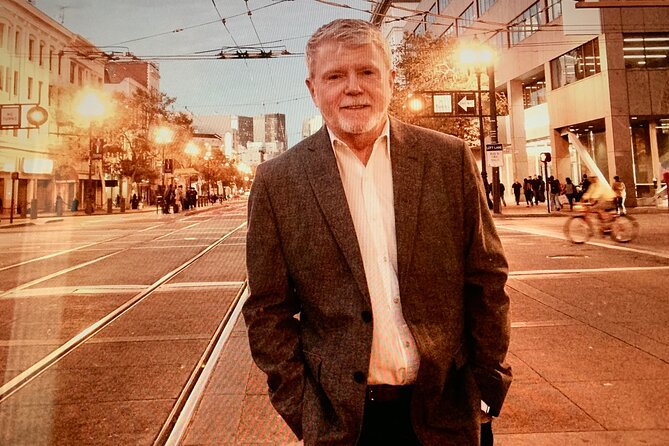
Many visitors see San Francisco as a city shaped only by hills, the bay, and the famous street grid. This tour adds another layer by examining the city’s past and future urban plans.
That subject gives the walk more depth than a standard architecture survey. You are not just asking when a building was constructed. You are considering why the city developed in a particular way, how older decisions still affect the streets, and what future planning may mean for downtown.
The tour may be especially useful if you are interested in planning, design, civic spaces, or the pressures facing a major American city. The description does not promise a technical lecture, and that is probably a benefit for most people. You can expect the ideas to be explained through the buildings and spaces around you rather than through abstract theory alone.
Rick also brings insider information that you are unlikely to find in ordinary guidebooks. That does not mean you need a specialist background. The supplied comments suggest the walk works for both curious first-time visitors and people who already know San Francisco well.
I would book this before a second or third city visit if you want to replace familiar sightseeing with closer observation. It can also fit well near the beginning of a stay, since you may start noticing architectural details elsewhere in the city after the tour.
More walks around San Francisco:
- Chinatown Walking Tour: Food, History & Flavor
★ 5.0 · 575 reviews - San Francisco: Chinatown Culinary Walking Tour
★ 4.8 · 265 reviews - San Francisco Ghost Hunt Walking Tour
★ 5.0 · 177 reviews - Private Walking Tour of San Francisco
★ 5.0 · 150 reviews
Finding the right angle for each building
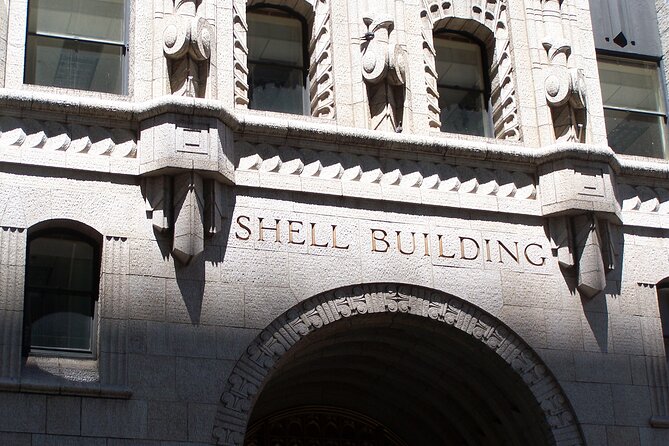
A particularly useful feature is the attention to viewing positions. This sounds minor, but it can change the whole experience.
Large buildings often require distance to understand their proportions. Decorative details may appear only from a side street or a particular corner. A modern structure can look severe from one angle and open or carefully balanced from another. When a guide shows you where to stand, you spend less time staring upward from an awkward position and more time seeing the building as its designer intended.
The advice should also help you take better photographs. You may learn where to frame a facade, how to include the surrounding street, or how to compare nearby buildings. The experience is not marketed as a photography tour, so you should not expect formal camera instruction. Still, the emphasis on angles gives photographers a practical reason to join.
You receive a detailed handout describing all the buildings on the route. That is more useful than a short souvenir sheet. You can refer back to it later, identify places you want to revisit, and keep track of the architectural ideas that were discussed during the walk.
Since the route contains many visual details, the handout may also help you remember the tour after the day is over. Take a pen or use your phone for a few notes if you want to connect the information to particular streets.
The small-group format and pace
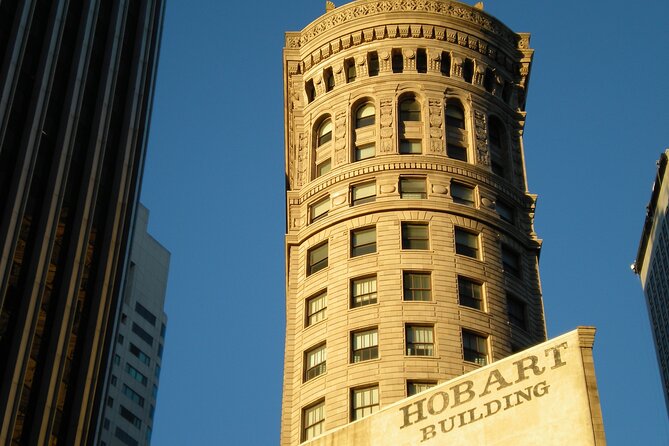
A maximum of 10 people is one of the clearest advantages. Small groups tend to make urban walking tours feel less like crowd management and more like a conversation.
You should be able to hear the guide more easily at busy corners and stop without blocking a large section of the sidewalk. Questions are also less awkward. If you are curious about a building that is not the main focus, a small group gives Rick more room to respond.
The pace is described as easy, but you still need to plan for a continuous outdoor activity lasting about 150 minutes. Bring water if you normally need it on a long walk. Since the tour takes place in the city center, public transportation is nearby, but transportation during the experience is not included.
The afternoon start can work well for people who want a slower morning. It also means you should think about what you schedule afterward. The advertised finish is at 264 Bush Street, San Francisco, with another note referring to 130 Bush Street near the corner of Market and First Street. Because those details do not match, confirm the final meeting information before the day of the tour.
This is not a hop-on, hop-off experience. You cannot sit out one section in a vehicle or skip ahead to the final stop. If you want a relaxed, street-level look at the city, that is part of the appeal. If you prefer a sightseeing tour with frequent rests and transport, choose a different format.
Value, weather, and cancellation terms
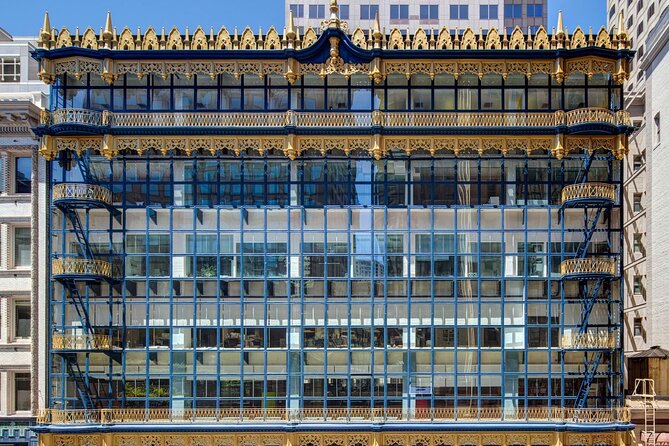
No tour price is provided in the available information, so I cannot judge the exact cost. The value depends on how much you want interpretation rather than simple sightseeing.
For someone who loves architecture, urban planning, or San Francisco history, the handout, small group, and specialist focus can make a walking tour worth more than a general downtown orientation. You are paying for access to a guide’s way of seeing the city, not for admission to a building or a vehicle ride.
For a visitor mainly interested in famous landmarks, the value may be less clear. The route includes buildings and urban spaces that are not covered by other tours, which is appealing if you want something beyond the standard circuit. It may feel too specialized if you only want quick photographs of the city’s best-known sights.
Good weather matters. If the experience is canceled because of poor conditions, you are offered another date or a full refund. The tour also requires a minimum number of participants, so a cancellation for that reason brings the same choice of a different date or experience, or a full refund.
You can cancel for a full refund up to 24 hours before the start time. Cancellations or changes made less than 24 hours before the local start time are not refunded or accepted. That rule is worth noting if your San Francisco plans may shift.
Who will get the most from this architecture walk
I would recommend this tour to you if you enjoy understanding a city through its buildings rather than simply checking off attractions. It is a good fit for architecture fans, students, photographers, urban planning enthusiasts, repeat visitors, and curious first-time visitors who want a sharper sense of downtown.
It also suits people who like a guide with enthusiasm. The comments about Rick point to a lively, educational style, with plenty of San Francisco background beyond the building names. That can help keep a technical subject accessible.
You may want to skip it if you dislike extended walking, want indoor attractions, or need guaranteed transport between sights. SFMOMA admission is not included, so this is not a combined museum-and-architecture ticket.
Families and mixed-interest groups should think about the 2.5-hour length. Someone fascinated by buildings may find the time flies, while someone who prefers food, shopping, or sweeping views may lose interest. The small group and moderate pace help, but they do not change the tour’s central purpose.
Should you book the San Francisco Architecture Walking Tour?
Book it if you want to see the Financial District with more care and context. The combination of classic and modern buildings, urban planning, insider detail, viewing points, a handout, and a group capped at 10 gives the experience a clear purpose.
I would be most likely to choose it after already seeing San Francisco’s headline sights, or early in a longer stay if I wanted a new way to understand the city. Before booking, confirm the Bush Street finishing details, check the weather, and make sure two and a half hours of walking suits you.
If those points work for your plans, this is a focused and useful choice for anyone who wants downtown San Francisco to look less like a collection of offices and more like a city shaped by design decisions.
FAQ
Where does the tour begin?
The tour begins at the front entrance of the San Francisco Museum of Modern Art, 151 3rd Street, San Francisco, California 94103.
What time does the tour start?
The stated start time is 2 pm.
How long does the tour last?
The walking tour lasts approximately 2 hours and 30 minutes.
Is admission to SFMOMA included?
No. Admission to the San Francisco Museum of Modern Art is not included.
Where does the tour end?
The stated end point is 264 Bush Street, San Francisco, California 94104. The information also refers to 130 Bush Street near the corner of Market and First Street, so confirm the exact finishing point before the tour.
How large is the group?
The experience allows a maximum of 10 people.
Is transportation included?
No. You must meet the guide at the specified location, and no transportation is included during the experience.
What happens if I need to cancel?
You receive a full refund if you cancel at least 24 hours before the local start time. Cancellations or changes made less than 24 hours before the start time are not refunded or accepted. If poor weather or an insufficient number of participants causes a cancellation, you are offered another date or experience, or a full refund.
Newest San Francisco write-ups
- Yosemite Valley: 3-Day Lodging Adventure★ 4.9 · 9 reviews
- From San Francisco: Yosemite & Tahoe Sierras 4-Day Trip★ 5.0 · 4 reviews
- San Francisco: Turkish Mosaic Lamp Workshop★ 4.2 · 12 reviews
- From San Francisco: Yosemite Private Full-Day Trip★ 5.0 · 13 reviews
- San Francisco Airport 1-Way Transfer to/from the City★ 4.8 · 36 reviews
- Hop-On Hop-Off Deluxe Bus Tour of San Francisco: 2 Days, 20 Stops★ 3.5 · 12 reviews
- Redwoods of Marin and Mt. Tamalpais Walking Tour with Local Guide★ 5.0 · 9 reviews
- Yosemite and Tahoe from San Francisco: 4 Day Sierra Nevada Tour★ 5.0 · 13 reviews
San Francisco Walking Tours, compared.

North Beach & Little Italy Walking Tour: Food, History & Flavor
Read our review →
San Francisco LGBTQ Walking Tour with Local Guide
Read our review →


Browse the lists this tour appears in