
Reviewed · CHINATOWN TOURS
San Francisco Chinatown Food and Culture Tour
San Francisco’s Chinatown is best understood one bite and one street at a time. This two-hour walking tour links pastries, dim sum, painted balconies, a fortune cookie factory, and overlooked corners with stories of gold rush immigrants, political change, and the rebuilding that followed the 1906 earthquake.
I like the small maximum of 15 people, which should make it easier to hear the guide and ask questions. I also like that the food is not limited to one formal tasting: you sample bakery treats, then sit down for a proper spread of steamed, baked, and fried dumplings.
The main consideration is pace. Chinatown streets can be crowded, and two hours is enough for a strong introduction rather than a full neighborhood exploration. You should also bring about $20 if you want to buy extra food at the bakery or other stops.
Key points at a glance
- Bakery treats and dim sum: Sample buns, egg tarts, sesame balls, and other pastries, followed by included dumplings at House of Dim Sum.
- A story-led route: Learn how immigrants, missionaries, political organizers, and local businesses shaped Chinatown.
- Painted balconies and old alleys: See Waverly Place, an old Chinese temple, Ross Alley, and the fortune cookie factory.
- Small-group format: The tour accepts a maximum of 15 people, a useful size for a walking route with frequent stops.
- Easy city-center finish: The tour begins at Woh Hei Yuen Park at 12:30 pm and ends at Transamerica Redwood Park.
- Vegan option available: Tell your guide if you prefer vegan dumplings at the restaurant.
Why this Chinatown tour works
The strongest feature here is the connection between food and place. You are not simply handed a pastry and told what it is. The guide explains the cultural background of what you eat, then places those flavors within the story of the neighborhood.
That approach matters in Chinatown, where architecture, business, migration, religion, and politics are closely linked. A colorful building is not just a photo stop. An alley is not just a shortcut. A dumpling is not just lunch.
The tour also avoids turning Chinatown into a collection of tourist clichés. You visit popular sights, including the fortune cookie factory, but the route also includes a former city hall site, Gum Moon Residence Hall, Rose Pak Station, and a redwood grove beneath the Transamerica Pyramid area.
A five-star assessment specifically praised the guide’s professional manner, strong historical explanation, and unhurried pace. That is useful information for anyone who dislikes tours that rush from one photo stop to the next. The exact guide is not named, so you should book this for the route and format rather than for a particular individual.
More Food Tours in Chinatown
- Chinatown Walking Tour: Food, History & Flavor
★ 5.0 · 575 reviews - SF’s Chinatown: Tea & Dim Sum Food Tour – Includes full meal, 3hr
★ 5.0 · 153 reviews - San Francisco: Food Walking Tour of Chinatown & North Beach
★ 4.8 · 148 reviews
Starting at Woh Hei Yuen Park
The tour begins at Woh Hei Yuen Park in Chinatown at 12:30 pm. This small park and playground provides a calmer place to meet before entering the busier streets.
You might see people dancing to traditional Chinese music here, which gives the opening a local feel without requiring a long introduction. The park is also a practical starting point because it lets the guide set the scene before the food stops begin.
Expect only about five minutes at the park. The value is not in a long visit, but in using a public space to understand that Chinatown is a lived-in neighborhood, not merely a shopping district.
Gum Moon Residence Hall and the people behind Chinatown
Next comes Gum Moon Residence Hall, another short stop. The guide explains the role of Christian missionaries who advocated for, educated, and sometimes sheltered members of the Chinatown community.
This is an important addition because it broadens the story beyond restaurants and immigration statistics. You get a look at the people and institutions that helped residents manage difficult conditions and build community support.
The stop lasts about five minutes, so do not expect an extended building tour. Instead, treat it as one piece of the larger story. The guide’s commentary is what gives this location its meaning.
Pastries at AA Bakery & Cafe
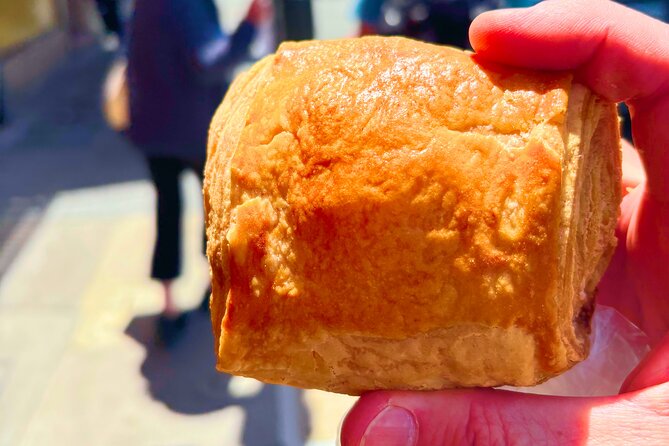
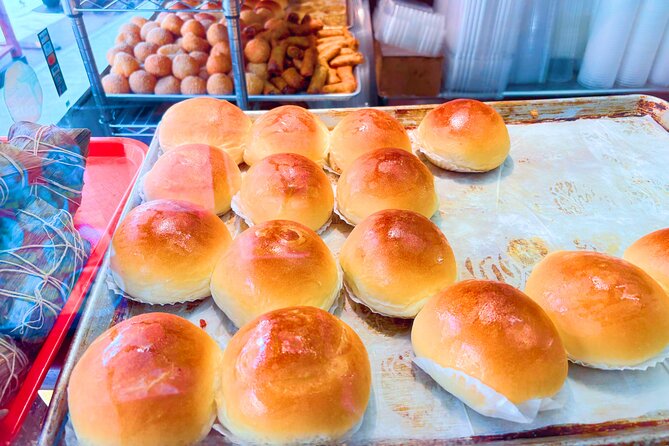
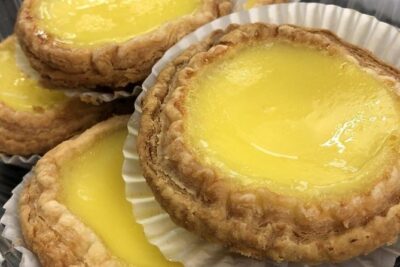
AA Bakery & Cafe is the first substantial food stop, with about 15 minutes for tasting. The offerings include freshly baked buns, egg tarts, sesame balls, and other Chinatown treats.
This is where you should arrive ready to sample rather than simply observe. The tour includes selected tasting experiences, but additional food purchases are not included. Bring around $20 if you want to try more items or buy something for later.
The bakery stop works well early in the route. You begin with small, portable foods, then keep walking while the guide explains their place in Chinatown’s food culture. Because the tour is only two hours, the tasting is likely focused rather than leisurely.
If you are not used to Chinese bakery items, this is also a good chance to ask questions. The guide is expected to explain what you are eating and why it matters, instead of leaving you to guess from the display case.
More ways into Chinatown:
- Chinatown & North BeachLittle Italy: 7 Tastings & History
★ 5.0 · 1,070 reviews - Ghost Hunt in SF Chinatown with a Professional Investigator
★ 5.0 · 922 reviews - San Francisco Chinatown Walking Tour
★ 5.0 · 778 reviews - San Francisco: Chinatown Culinary Walking Tour
★ 4.8 · 265 reviews
Rose Pak Station and Chinatown’s political voice
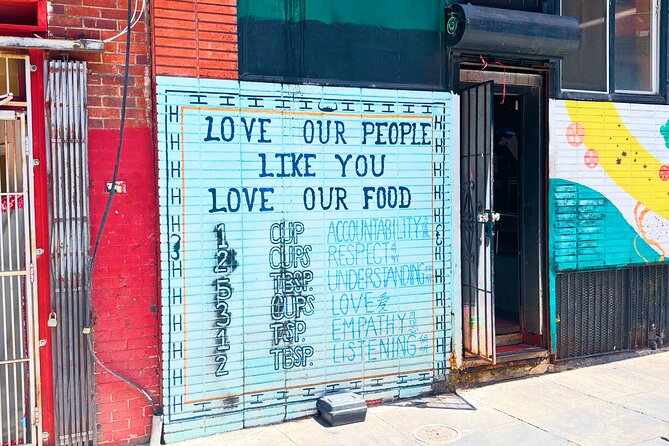
At Chinatown-Rose Pak Station, the tour shifts from food to civic life. You hear about Rose Pak, a woman who amplified Chinatown’s political voice and helped bring San Francisco’s first Chinese American mayor to office, along with the neighborhood’s new subway line.
This stop gives the route modern relevance. Chinatown is not frozen in the past, and the station name itself points to the way local politics and transportation can affect a neighborhood’s future.
The stop is short, about five minutes, but the subject is substantial. If civic history interests you, this may be one of the most memorable parts of the walk. It also helps explain why representation and access to public transit matter so much in a dense urban district.
Waverly Place, painted balconies, and an old temple
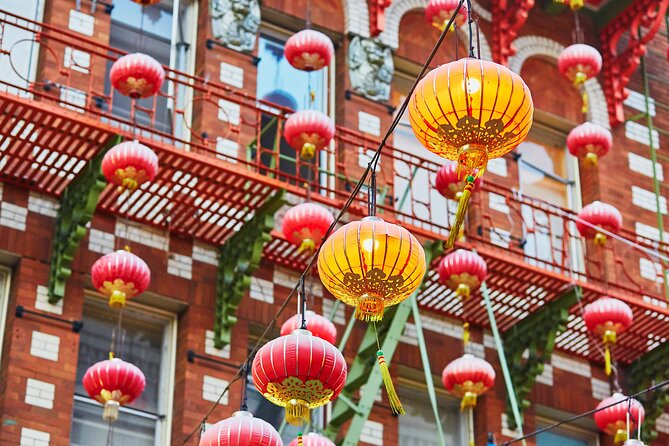
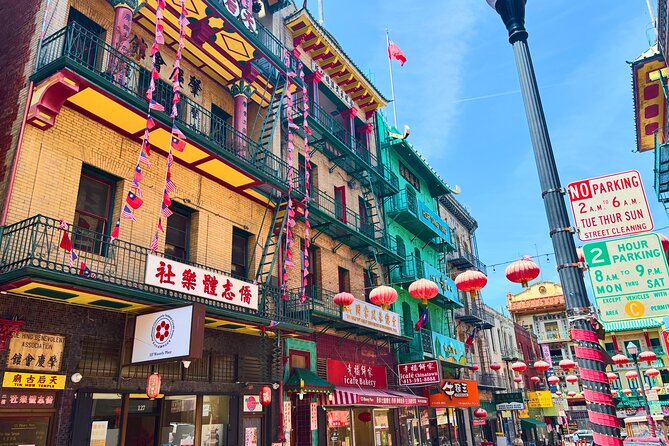
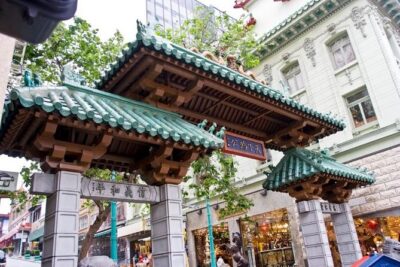
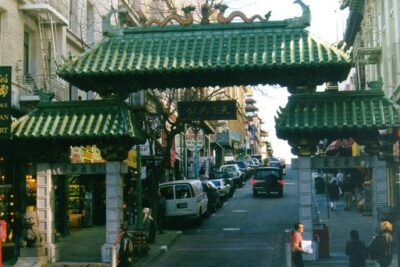
The itinerary then takes you along the attractive street known for its painted balconies. This is one of the more photogenic parts of the tour, but the guide also uses the setting to explain Chinatown’s architecture.
Look up as you walk. The balconies and colorful facades are easy to miss if you keep your attention at street level. The route also includes the oldest Chinese temple in town, adding a religious and cultural layer to the architectural story.
The tour connects these sights to the devastation of the 1906 earthquake and fire. You learn how Chinatown responded afterward and how the neighborhood was rebuilt. That context makes the buildings more than decorative backdrops.
There is no separate admission charge listed for the temple or the street walk, and the tour remains outdoors for this portion. Wear comfortable shoes and expect regular walking between short stops.
Ross Alley and the fortune cookie factory
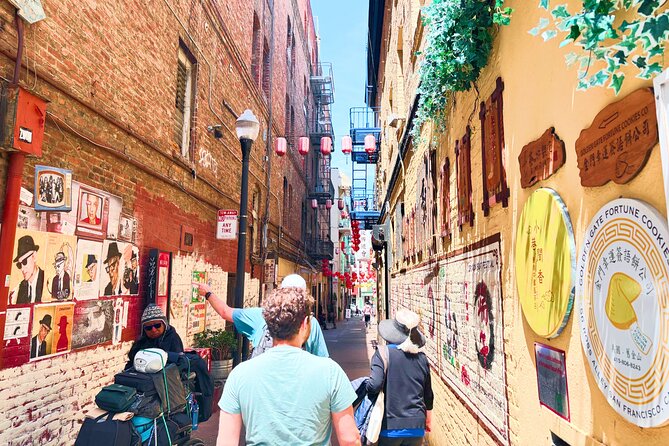
Ross Alley brings one of Chinatown’s most recognizable attractions: a famous fortune cookie factory. You stop here for about ten minutes and hear how the alley once had a reputation for criminal gangs.
The contrast is part of the appeal. The stop pairs a light, familiar food with a less polished side of Chinatown’s past. It reminds you that the neighborhood’s history includes conflict and hardship as well as restaurants, temples, and pretty balconies.
The factory visit is a brief stop, not a long production tour described in detail. Still, it adds a distinctly San Francisco touch to the route. Fortune cookies are now associated with Chinese restaurants across the United States, and seeing them made in Chinatown gives the subject a local setting.
Grant Avenue and the city’s boldest facades
On Grant Avenue, the guide points out striking buildings and explains the reasons behind Chinatown’s colorful architectural style. This is another walk-and-talk section, listed at about five minutes, though the route between stops adds more time.
Grant Avenue is a natural place to discuss how Chinatown presents itself to the city. The buildings help form a recognizable public identity, while the shops and restaurants keep the street active.
Do not expect an architectural lecture with technical measurements. The appeal is practical and visual: you learn what to notice as you walk. If you enjoy street photography, keep your phone ready, but do not let photos pull you away from the guide’s explanations.
House of Dim Sum: the main meal
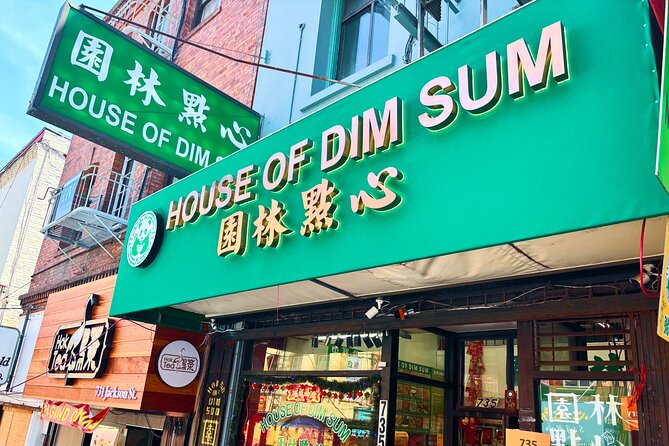
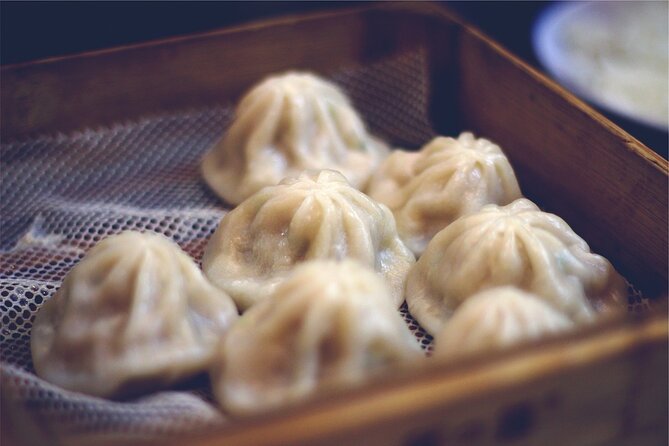
The largest food stop is House of Dim Sum, where included dumplings form the tour’s main meal. You receive a selection of steamed, baked, and fried dumplings at no extra cost.
This is a better value than a tour that offers only one small sample. You get variety in texture and preparation, and the guide continues explaining the food as you eat. The meal also gives you a chance to sit down after the walking portions.
The restaurant can provide vegan dumplings. Tell your guide that you prefer this option. The supplied information does not list other dietary arrangements, so if you have additional food restrictions, ask before booking rather than assuming the menu can be changed.
Fifteen minutes is allocated to this stop. That is enough for tasting, but it is not a long restaurant meal. You should think of the dumplings as a focused tasting within a walking tour, not a relaxed lunch with unlimited ordering.
Ending among redwoods at Transamerica Redwood Park
The final stop is Transamerica Redwood Park, where the tour ends in a grove of redwood trees beneath the shadow of one of San Francisco’s most recognizable office buildings.
This is a clever finish. After narrow Chinatown streets, old alleys, and tightly packed buildings, the redwoods provide a change of scale. The contrast also shows how quickly San Francisco’s atmosphere can shift from historic neighborhood to downtown high-rise district.
About 30 minutes is assigned to the ending stop, making it the longest listed visit. You can use this time to take in the setting and ask final questions. The official endpoint is at 600 Montgomery Street, so plan onward transportation from there rather than returning to the starting park.
What the $49 price includes
At $49 per person, the tour’s value rests on the combination of food and interpretation. You receive a two-hour guided walk, bakery tastings, included dim sum, and personal storytelling. The dumplings alone make the price easier to justify than a sightseeing walk with no food included.
The price does not cover extra purchases at other stops. If you want to buy additional pastries or snacks, budget roughly $20. That gives you control over spending, which is helpful if you are already planning other meals in San Francisco.
I would consider this a fair price for someone who wants a compact introduction to Chinatown without arranging separate bakery and dim sum visits. It is less appealing if you mainly want a large meal or if you prefer to explore at your own pace.
The small-group limit also matters. With no more than 15 people, the guide can keep the group together more easily and explain details without shouting to a large crowd. It does not guarantee a private-feeling walk, but it is a sensible size for narrow streets and food stops.
Timing, walking, and practical details
The experience lasts about two hours and begins at 12:30 pm. Since the route includes several short stops, expect a steady walk with pauses rather than long periods at one site.
The start and end points are different. You begin at Woh Hei Yuen Park and finish at Transamerica Redwood Park, so allow for that when planning your day. The tour is near public transportation, and mobile tickets are accepted.
Most people can participate, and service animals are allowed. No special fitness level is stated, but this is still a walking tour on city streets. Comfortable shoes will make the afternoon easier.
Confirmation arrives when you book. Free cancellation is available up to 24 hours before the start time, with a full refund. Changes or cancellations made later are not accepted for a refund.
Who should book this experience
I would recommend this tour to first-time San Francisco visitors who want more context than a self-guided stroll can provide. It also suits food-focused visitors who want to sample several Chinatown staples without planning each stop themselves.
Families may appreciate the short explanations, open-air walking, pastries, and dumplings. The route also offers enough history for adults who want more than a food crawl.
This is less suitable for anyone seeking a long, sit-down meal, a private tour, or a slow architectural study. The schedule is compact, and the tasting portions are part of a broader route.
Book it if you want Chinatown explained through food, politics, architecture, and community life. Skip it if you already know the neighborhood well and would rather spend two hours choosing your own restaurants and wandering without a schedule.
FAQ
How long is the San Francisco Chinatown Food and Culture Tour?
The tour lasts approximately two hours.
What time does the tour start?
The tour starts at 12:30 pm.
Where does the tour begin?
The meeting point is Woh Hei Yuen Park in San Francisco Chinatown, California 94133.
Where does the tour end?
The tour ends at Transamerica Redwood Park, 600 Montgomery Street, San Francisco, California 94111.
Is dim sum included in the price?
Yes. A variety of steamed, baked, and fried dumplings at House of Dim Sum is included at no additional cost.
Can I choose vegan dumplings?
Yes. The dim sum restaurant can offer vegan dumplings. Tell your guide that you prefer this option.
Should I bring extra money?
Bring around $20 if you want to purchase additional food at the bakery or other stops. Extra food purchases are not included.
How many people can join the tour?
The tour has a maximum of 15 participants.
More places to eat your way around San Francisco
- North Beach & Little Italy Walking Tour: Food, History & Flavor
★ 5.0 · 1,044 reviews - San Francisco: North Beach and Little Italy Food Tour
★ 4.8 · 188 reviews - Mission District Food Tour: Appetizers, Entrée and Dessert
★ 5.0 · 182 reviews - Ultimate Electric SF Bike Tour- food, icons & local hidden gems
★ 5.0 · 182 reviews
More food tours in San Francisco
- Small-Group Wine Country Tour from San Francisco with Tastings
★ 5.0 · 1,543 reviews - San Francisco Authentic Food Tour with 5 Locals Favorites Dishes
★ 5.0 · 852 reviews - San Francisco: Half-Day Wine Country Excursion with Tastings
★ 4.3 · 409 reviews - Muir Woods & Wine Tour: Redwoods & Tastings at 3 Wineries
★ 4.5 · 278 reviews
Newest San Francisco write-ups
- Yosemite Valley: 3-Day Lodging Adventure★ 4.9 · 9 reviews
- From San Francisco: Yosemite & Tahoe Sierras 4-Day Trip★ 5.0 · 4 reviews
- San Francisco: Turkish Mosaic Lamp Workshop★ 4.2 · 12 reviews
- From San Francisco: Yosemite Private Full-Day Trip★ 5.0 · 13 reviews
- San Francisco Airport 1-Way Transfer to/from the City★ 4.8 · 36 reviews
- Hop-On Hop-Off Deluxe Bus Tour of San Francisco: 2 Days, 20 Stops★ 3.5 · 12 reviews
- Redwoods of Marin and Mt. Tamalpais Walking Tour with Local Guide★ 5.0 · 9 reviews
- Yosemite and Tahoe from San Francisco: 4 Day Sierra Nevada Tour★ 5.0 · 13 reviews
Chinatown Tours, compared.
Chinatown & North BeachLittle Italy: 7 Tastings & History
Read our review →
Ghost Hunt in SF Chinatown with a Professional Investigator
Read our review →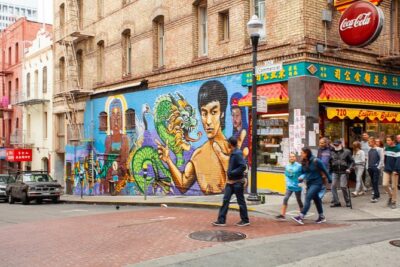
SF’s Chinatown: Tea & Dim Sum Food Tour – Includes full meal, 3hr
Read our review →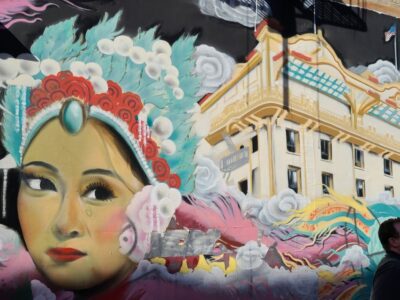
Browse the lists this tour appears in