
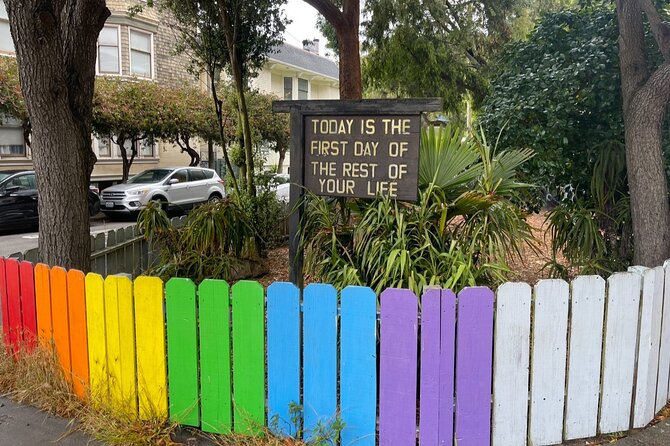
Reviewed · CASTRO DISTRICT TOURS
Castro District LGBTQ+ Historic Tour
The Castro tells the story of LGBTQ+ San Francisco in a compact, walkable neighborhood. This 90-minute tour connects Harvey Milk Plaza, the former site of Milk’s camera shop, the 1920s Castro Theatre, the original rainbow flag, and the Pink Triangles Memorial Park. The history is tied to real street corners, not locked away in a distant museum.
I like the small group size of 10 and the way the route ends at The Mix, a local bar where you can keep exploring. I also like the guide’s focus on questions many casual visitors never think to ask, such as why GLBT became LGBT and what each rainbow flag color represents. The main limitation is that the tour is outdoors and does not include admission inside the Castro Theatre or the GLBT Historical Society Museum.
Key points about the Castro walking tour
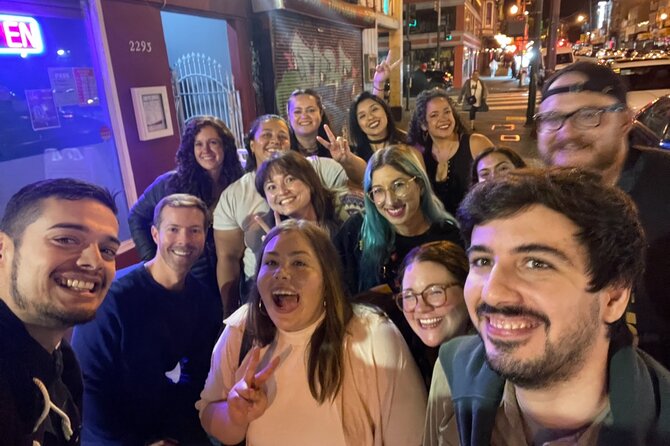
- Harvey Milk Plaza begins the story, placing you at the center of the neighborhood’s political history.
- Eric Curry leads the tour, bringing a personal, lively style to the walk.
- The route includes five important stops, from the Castro Theatre to Pink Triangles Memorial Park and Twin Peaks Tavern.
- The tour is capped at 10 people, which makes it easier to hear the guide and ask questions.
- You pay $39 for about 90 minutes, with no separate entry fees included.
- The walk ends at The Mix, giving you an easy place for a drink or bite after the tour.
Why this small Castro tour matters
The Castro can look like a colorful shopping and nightlife district if you only pass through for an hour. Its deeper importance becomes clearer when you connect the businesses, memorials, political campaigns, and everyday gathering places that helped form one of the first widely recognized LGBTQ+ neighborhoods in the United States.
That is the useful promise of this tour. You are not simply shown a few photo stops. You are guided through how a neighborhood became a center of LGBTQ+ life, how local businesses helped create a safe public presence, and how national events shaped the streets around you.
The route also takes history beyond the most familiar names. Harvey Milk is central, but the tour also raises questions about the role of the US military in the neighborhood’s formation, the language shift from GLBT to LGBT, and the symbolism of the rainbow flag. Those details make the walk more than a biography of one political figure.
At $39 per person, this is not the cheapest way to see the Castro. Yet the price is fair if you want a focused guide and a small group rather than a quick self-guided stroll. You get about an hour and a half of context, with no museum admission included. If you plan to visit the neighborhood anyway, the tour gives your walk a clear shape and helps you notice details you might otherwise pass.
More ways to see the Castro:
- San Francisco Urban Hike: Castro and Twin Peaks
★ 5.0 · 71 reviews - San Francisco Castro Mission Loop Tour
★ 5.0 · 12 reviews - San Francisco: Castro District LGBTQ+ History Tour
★ 5.0 · 9 reviews
Starting at Harvey Milk Plaza
The tour begins at Harvey Milk Plaza, at 3:00 pm. This is a fitting meeting point because Harvey Milk is one of the key figures in the Castro’s public story. Milk lived in the neighborhood and owned a camera shop there before becoming the first openly gay elected official in North America.
Beginning at the plaza gives the guide a natural place to explain Milk’s role without turning the entire tour into a single-person memorial. You can expect the opening section to establish the neighborhood’s political and social importance before the group moves along the Castro’s commercial streets.
The first 30 minutes are devoted to the Castro itself. Along the way, the guide points out shops, restaurants, and bars. This matters because the district’s story is not limited to plaques and monuments. The businesses still operating along the street help show how public gathering places shaped the area.
Eric Curry is the guide named for this experience. The strongest part of his approach is his energy and passion. He is described as friendly, entertaining from the start, and able to move smoothly through the timeline of events. That style should suit you if you prefer a walking tour with conversation and personality rather than a formal lecture.
The group limit is especially helpful here. With no more than 10 people, you should have a better chance of hearing the guide on a busy street and asking about details that interest you. The tour is still a shared experience, so it will not feel like a private research session, but it is more personal than a large bus or crowd-based tour.
The Castro Theatre and its 1920s design
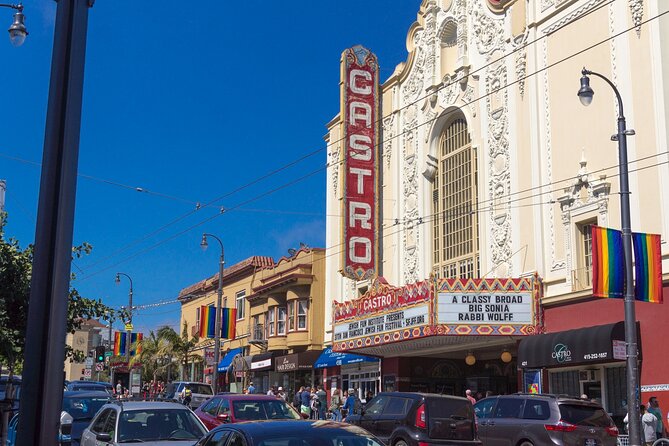
The next stop is the Castro Theatre, one of the last historic movie palaces from the 1920s. The visit lasts about 10 minutes, and admission is not included.
That short stop is best understood as an exterior and neighborhood history visit rather than a full theater experience. You will learn why the building matters and how it fits into the identity of the Castro, but you should not book this tour expecting a screening or an included interior visit.
The theater adds useful variety to the route. After political history at Harvey Milk Plaza and the neighborhood’s shops and bars, this stop shows how architecture and popular entertainment also shaped the district. It is a reminder that the Castro’s public identity developed through ordinary civic and commercial spaces, not only through formal political institutions.
If seeing the inside of the Castro Theatre is important to you, check separately for access or events. The tour details only promise a stop at the theater, with admission excluded.
The GLBT Historical Society Museum from outside
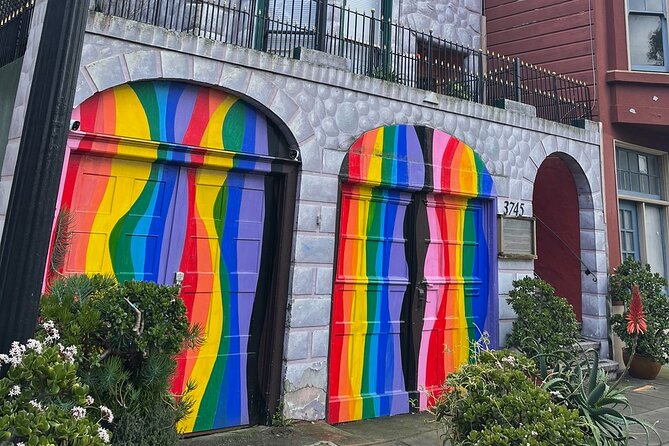
The tour then pauses for about 10 minutes outside the GLBT Historical Society Museum. The group does not enter, and admission is not included.
Even from the outside, this stop helps frame the museum’s role in preserving the neighborhood’s past. The site is connected with the original rainbow flag, an object that gives the tour a direct link to the changing symbols of LGBTQ+ identity.
This is also where the guide can explain the meaning of the rainbow flag’s colors. That small detail may sound simple, but it gives you a practical way to read one of the Castro’s most familiar symbols with more understanding.
The museum stop has a clear trade-off. You get context without paying for or setting aside time for a museum visit, which keeps the walk within 90 minutes. On the other hand, anyone hoping to see exhibits or spend time with archival material will need to return separately.
I like this arrangement for a first visit. The guide can point out why the museum matters, then leave you free to decide if you want a longer, self-guided visit later.
More history walks in San Francisco:
- Chinatown & North BeachLittle Italy: 7 Tastings & History
★ 5.0 · 1,070 reviews - North Beach & Little Italy Walking Tour: Food, History & Flavor
★ 5.0 · 1,044 reviews - Chinatown Walking Tour: Food, History & Flavor
★ 5.0 · 575 reviews - San Francisco Whiskey Cocktail Class: Views and City History
★ 5.0 · 206 reviews
Remembering the Pink Triangles Memorial Park
The Pink Triangles Memorial Park receives about 20 minutes, making it one of the longer stops. The monument honors approximately 15,000 gay and lesbian people killed under the fascist Nazi regime from 1933 to 1945.
This is the most solemn part of the walk. It adds a wider European and wartime context to a tour that otherwise focuses on San Francisco. The memorial also explains why public remembrance matters in a neighborhood built around visibility, safety, and the right to gather openly.
You should expect the pace to slow here. The park is not just another photo stop, and the subject may feel heavy after the more conversational sections of the tour. That balance is one of the route’s strengths. The Castro is often presented as a place of celebration, but its history also includes fear, loss, discrimination, and the need to protect memory.
The 20-minute stop gives the guide room to explain the monument rather than rushing past it. If you want only nightlife and colorful storefronts, this part may feel more serious than expected. If you want a fuller understanding of LGBTQ+ history, it is essential.
Twin Peaks Tavern and the role of local bars
The final major stop is Twin Peaks Tavern, with about 20 minutes devoted to it. The tavern was one of the first bars along the strip and helped secure the Castro’s place as a major LGBTQ+ gathering area.
This stop shows why local businesses matter so much in the story. A bar is not only a place to buy a drink. In a period when public LGBTQ+ spaces were limited and often threatened, a visible business could help create community, recognition, and a sense of belonging.
The tour does not list a drink as included, so plan on paying separately if you choose to order something. The stop is designed to explain the tavern’s importance, not to provide a full meal or bar crawl.
That distinction is useful. You get historical context without being pushed into a set food or drink package. If you are hungry, the guide has already pointed out nearby restaurants, shops, and bars, giving you options for after the walk.
Ending at The Mix on 18th Street
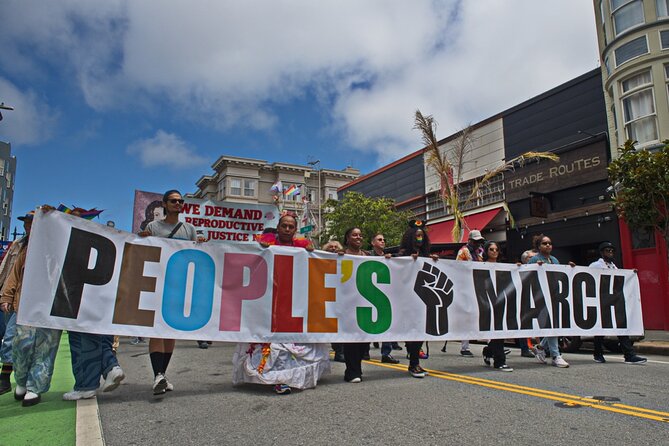
The tour ends at The Mix, located at 4086 18th Street. It is described as a popular local watering hole, so the finish feels connected to the neighborhood rather than tacked onto the route.
This is a smart ending for a walking tour. You can leave immediately if you have evening plans, or stay for a drink and continue the conversation. The ending also gives you a practical starting point for your own Castro evening.
The activity begins at 3:00 pm, so the finish should come in the late afternoon, assuming the walk stays close to its 90-minute estimate. That timing works well if you want to follow the tour with dinner, a bar stop, or more independent sightseeing.
Because the end point is different from the meeting point, you should note both addresses before you set out. The tour starts at Harvey Milk Plaza and finishes at The Mix, rather than returning you to the beginning.
What the $39 price includes
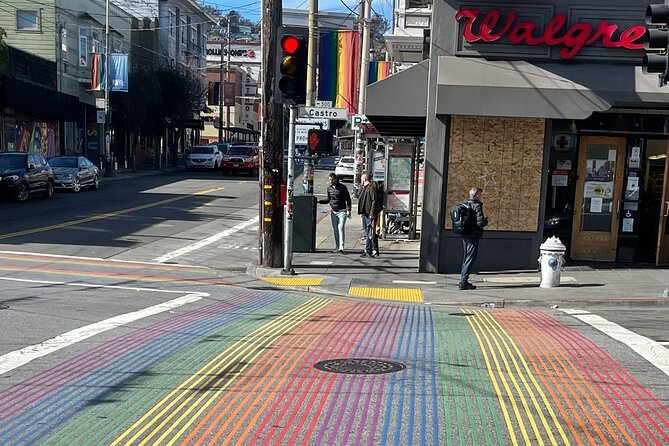
The $39 fee covers the guided walking experience, but not admission to the Castro Theatre or the GLBT Historical Society Museum. The listed stops at both places are informational, and no separate museum or theater entry is part of the price.
The value depends on how much context you want. If you only need directions and a few landmark names, you can explore the Castro on your own. If you want the neighborhood’s political, social, memorial, and business history connected in one short route, the fee is more defensible.
The small group helps the price feel more reasonable. A maximum of 10 people allows for questions and a closer connection with Eric Curry’s storytelling. You are paying for interpretation and structure, not just access to places that are free to see.
Mobile ticketing keeps the process simple. Confirmation is provided when you book, and free cancellation is available if you cancel at least 24 hours before the start time. Changes or cancellations inside that window are not refunded.
Who will enjoy this Castro experience
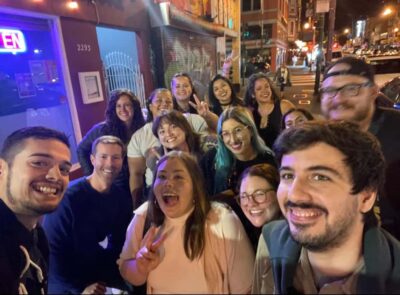
I would recommend this tour to first-time visitors who want a clear introduction to the district’s LGBTQ+ history. It also suits solo visitors who want a welcoming, guided way to get oriented. One person who joined alone felt nervous at first, but Eric quickly helped create a comfortable atmosphere, which is useful context if you are arriving by yourself.
The tour is also a good fit for anyone who wants history with a social finish. You can hear about memorials and political change, then end at The Mix with the option of having a drink or bite nearby.
It may be less suitable if you need a fully accessible indoor activity, a long museum visit, or a private tour. The experience is a walking route through city streets, and a moderate level of physical fitness is recommended. Service animals are allowed, and the area is near public transportation.
Practical advice before you go
Wear comfortable shoes and expect to spend the full 90 minutes outside. The route includes several stops, but the information is spread across the neighborhood rather than presented in one building.
Arrive with the meeting point clear: Harvey Milk Plaza, San Francisco, California. The tour starts at 3:00 pm and ends at The Mix on 18th Street, so plan your onward route from there.
Do not budget for a full museum or theater visit as part of the tour. If those interiors matter to you, treat the guided walk as an introduction and arrange additional time separately.
Finally, leave room for questions. The most interesting parts may be the small points, such as why the letter order in LGBTQ terminology changed, how military policy affected the neighborhood, or what the rainbow colors mean. Those are the details that help the Castro make sense after you leave.
Should you book the Castro District LGBTQ+ Historic Tour?
Book it if you want a short, focused, small-group walk led by a guide with strong personal enthusiasm for the subject. The route covers Harvey Milk, the Castro Theatre, the GLBT Historical Society Museum, Pink Triangles Memorial Park, and Twin Peaks Tavern, then ends at The Mix.
Skip it if you mainly want interior access to the theater or museum, since neither admission is included. For $39, the best value comes from the guide’s storytelling, the tightly planned 90-minute route, and the chance to understand how everyday Castro businesses and memorials fit into LGBTQ+ history.
FAQ
Where does the Castro LGBTQ+ Historic Tour begin?
The tour begins at Harvey Milk Plaza in San Francisco, California.
What time does the tour start?
The tour starts at 3:00 pm.
How long does the tour last?
The tour lasts approximately 1 hour and 30 minutes.
Where does the tour end?
The tour ends at The Mix, located at 4086 18th Street in San Francisco.
What is the price of the tour?
The price is $39 per person.
Is admission to the Castro Theatre included?
No. The tour stops at the Castro Theatre, but admission is not included.
Does the tour enter the GLBT Historical Society Museum?
No. The tour visits the museum area from outside, and museum admission is not included.
How many people can join the tour?
The tour has a maximum group size of 10 people.
Can I cancel for a full refund?
Yes. You can cancel at least 24 hours before the start time for a full refund. Cancellations made less than 24 hours before the start time are not refunded.
More LGBTQ history and nightlife in San Francisco
- San Francisco LGBTQ Walking Tour with Local Guide
★ 5.0 · 600 reviews - San Francisco: Castro & LGBTQ Private Walking Tour
★ 4.0 · 4 reviews
Newest San Francisco write-ups
- Filoli House & Garden★ 5.0 · 20 reviews
- Fisherman’s Wharf & Pier 39 Food Tour – Includes Full Meal, 3 hrs★ 5.0 · 9 reviews
- San Francisco Four Peaks Tour★ 4.0 · 4 reviews
- Express San Francisco Layover Tour w Airport Pickup and Dropoff★ 5.0 · 6 reviews
- Napa Valley Wine and Food Tasting Tour from San Francisco★ 5.0 · 7 reviews
- Experience the Thrills of Yosemite: 3-Day Package★ 5.0 · 3 reviews
- Early Bird: Electric Scooter Rental to Golden Gate Bridge★ 5.0 · 6 reviews
- San Francisco Gregangelo Museum – Immersive Kids’ Tour★ 5.0 · 5 reviews
Castro District Tours, compared.
Browse the lists this tour appears in