
Reviewed · CASTRO DISTRICT TOURS
Castro District LGBTQ+ History Tour
The Castro LGBTQ History Tour puts the neighborhood’s political and personal stories right in front of you. You’ll see Harvey Milk Plaza, learn about the White Night Riots, and encounter objects tied to José Sarria, the original rainbow flag, and the HIV/AIDS Memorial Quilt.
I like the clear, easy pace praised in the tour feedback, and I like that guides such as Miguel and Eric bring both facts and personal connection to the subject. The main consideration is time: at about 90 minutes, this is a focused introduction, not a full day of Castro sightseeing.
Key points at a glance
- Harvey Milk Plaza is the starting point: Begin at one of the Castro’s most important public gathering places and learn how it became linked to the White Night Riots.
- Personal objects make the past tangible: The tour includes José Sarria’s belongings, part of the HIV/AIDS Memorial Quilt, and a connection to the original rainbow flag.
- Landmarks tell social history: You’ll visit an iconic gay bar, an early employer of openly gay workers, and a 1920s theater.
- Guides are central to the experience: Miguel and Eric are praised for a steady pace, strong command of the subject, and concise answers.
- The route is short but concentrated: The experience lasts about 90 minutes, starts at 3:00 pm, and ends at 18th and Castro Streets.
- The price suits a focused history walk: At $39 per person, you are paying for a guided lesson with local context, not for admission to a long list of attractions.
Starting at Harvey Milk Plaza
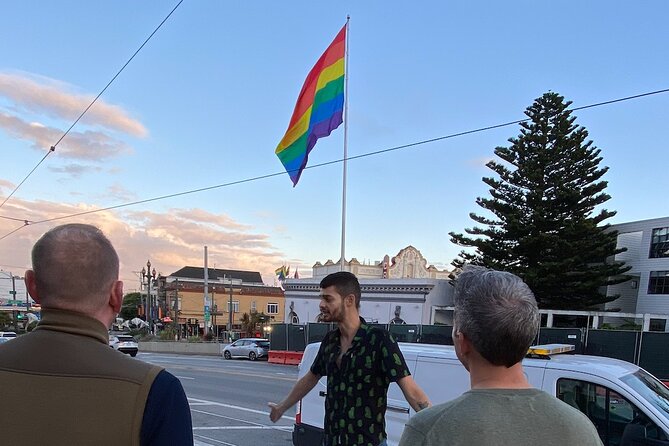
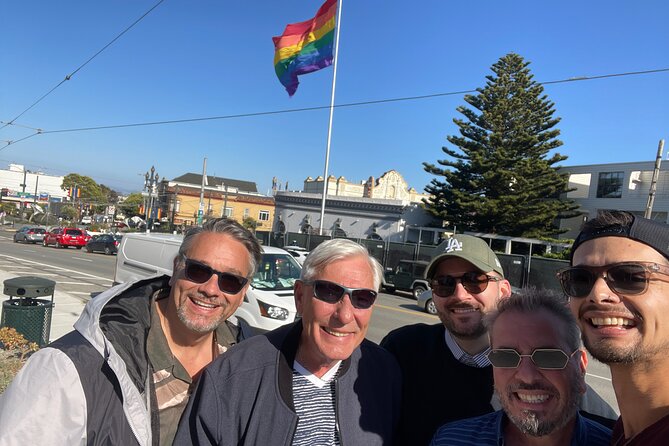
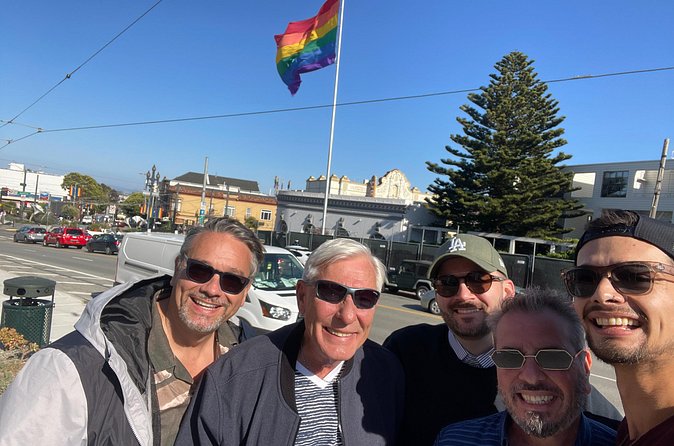
The tour begins at Harvey Milk Plaza, San Francisco, California 94114, at 3:00 pm. This is more than a convenient meeting point. It gives the walk a serious opening, since the plaza is tied to the public life of the Castro and to the events that led to the White Night Riots.
You can expect the guide to establish the neighborhood’s political setting before moving into its individual stories. That order matters. Instead of treating the Castro as a row of colorful storefronts, the tour frames it as a place where public identity, civil rights, grief, and protest met in the street.
The plaza is also a practical place to begin. The tour is near public transportation, and the route ends at the intersection of 18th Street and Castro Street. Since the walk does not return to the starting point, keep the ending in mind when planning what you’ll do next.
The tour allocates about 10 minutes to Harvey Milk Plaza. That is enough to set the scene without using up half the experience at a single stop. The short timing also tells you what kind of tour this is: brisk, focused, and built around several landmarks rather than one long talk.
More ways to see the Castro:
- San Francisco Urban Hike: Castro and Twin Peaks
★ 5.0 · 71 reviews - San Francisco Castro Mission Loop Tour
★ 5.0 · 12 reviews - Castro District LGBTQ+ Historic Tour
★ 5.0 · 9 reviews
José Sarria, the rainbow flag, and the AIDS Memorial Quilt
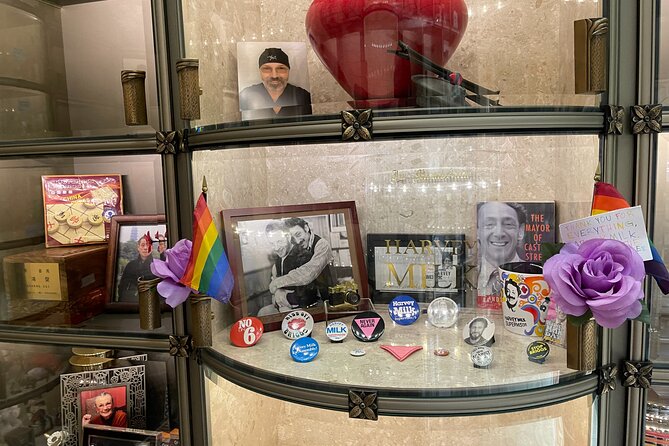
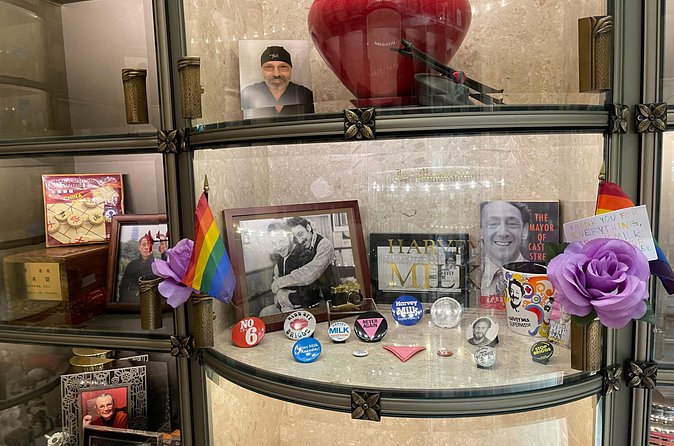
One of the most meaningful parts of the route brings together objects connected to LGBTQ life in San Francisco. You’ll encounter a place associated with the original rainbow flag, a piece of the HIV/AIDS Memorial Quilt, and many of José Sarria’s personal items.
These details give the tour a human scale. Political history can feel distant when it is reduced to dates and names. Personal belongings help put a face to the work of organizing, performing, campaigning, and building community.
José Sarria is especially important in this setting. The tour uses his personal items to connect the Castro’s public identity with the people who helped shape it. You are not simply hearing that the neighborhood had leaders. You are seeing the kind of material that makes a person’s life more real.
The HIV/AIDS Memorial Quilt adds another layer. Its presence points to loss, remembrance, and the long effect of the AIDS crisis on LGBTQ communities. This may be the most emotionally weighty portion of the walk, so you should expect the tone to shift between political history and personal memory.
The original rainbow flag gives the route a visual symbol familiar around the world. Here, its importance is not just decorative. The tour places it within the local story of identity and public visibility, helping you understand why the Castro’s symbols carry such force.
The Castro’s famous gathering places and White Night Riots
Harvey Milk Plaza is also presented as a gathering place for the gay community. That role is central to understanding the White Night Riots, which followed the 1979 manslaughter conviction of Dan White for killing Harvey Milk and San Francisco Mayor George Moscone.
The supplied tour details specifically connect the plaza to the riots, but the experience is not described as a long courtroom or political lecture. Instead, the guide uses the site to explain how public space, anger, grief, and protest came together in the Castro.
This is where a good guide matters. Eric is praised for bringing the Castro’s past to life and for sharing stories that linger after the walk. Miguel is praised for holding a comfortable pace and answering questions clearly. Those comments suggest that the tour’s value depends less on rushing through a long list of dates and more on how the guide links one place to the next.
You should feel free to ask questions as you go. The feedback specifically highlights concise answers and accurate historical information. With a maximum group size of 30, the walk may feel more like a small lecture on foot than a private tour, but the group is still limited enough for questions to be part of the experience.
An iconic gay bar with an unusual design choice
The route includes an iconic gay bar that has operated for more than 50 years. Its windows were not blocked when it first opened, unlike the custom at many gay bars of the era.
That simple architectural detail tells a larger story. Windows can seem like an ordinary feature, but in a time when gay bars often protected their patrons and their businesses from public exposure, leaving them open had meaning. It suggested visibility, confidence, or at least a different approach to public life.
You’ll want to listen closely here, since the point is not simply that the bar is old. Its age matters because it shows continuity. The design matters because it reflects the social conditions under which LGBTQ businesses operated.
The stop also helps balance the more solemn parts of the tour. The Castro’s story is not only about persecution, protest, and disease. It is also about places where people met, built friendships, and created an everyday community.
The tour does not indicate that admission to the bar is included, so treat this as an exterior or historical stop unless the guide tells you otherwise. The experience includes a guided tour, not a drink or a bar visit.
More history walks in San Francisco:
- Chinatown & North BeachLittle Italy: 7 Tastings & History
★ 5.0 · 1,070 reviews - North Beach & Little Italy Walking Tour: Food, History & Flavor
★ 5.0 · 1,044 reviews - Chinatown Walking Tour: Food, History & Flavor
★ 5.0 · 575 reviews - San Francisco Whiskey Cocktail Class: Views and City History
★ 5.0 · 206 reviews
The first San Francisco store to hire openly gay workers
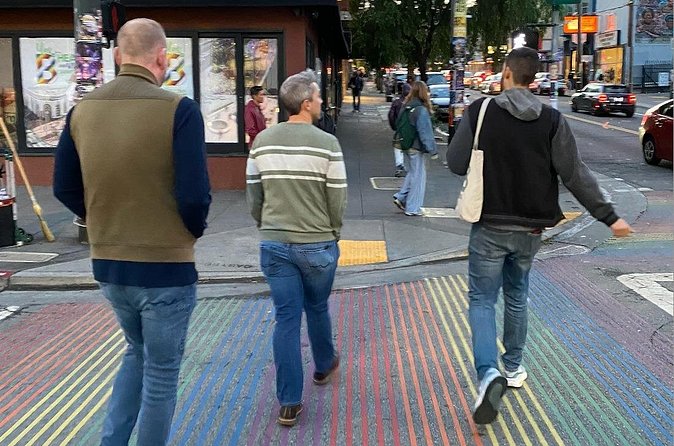
Another stop marks the first store in San Francisco to hire openly gay workers. This is an important change of focus. The tour moves from political gathering places and community institutions to the working world.
Employment is a key part of any civil rights story. Public acceptance means little if people risk losing their jobs for being open about who they are. By pointing out this store, the guide shows how progress can be measured through ordinary places as well as famous speeches and demonstrations.
This stop may be easy to miss if you walk through the Castro on your own. A storefront does not always announce its place in history. The guide supplies the context that turns an everyday commercial site into evidence of social change.
I like this kind of stop because it makes the tour useful even for someone who already knows the major names. You may recognize Harvey Milk and the rainbow flag, but the employment story adds a practical question: what did acceptance look like during a normal workday?
The available information does not identify the store by name, so you should expect the guide to provide the specific historical explanation during the walk. That is a good reason to pay attention rather than treating this as a quick photo stop.
A 1920s theater and the Castro’s changing identity
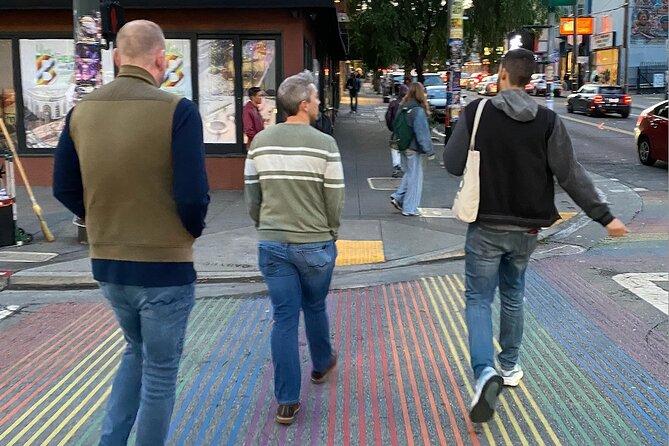
The final landmark is one of the last palatial-style theaters from the 1920s. This adds architectural and entertainment history to a tour otherwise centered on LGBTQ rights and community life.
The theater’s design offers a reminder that the Castro is not only a political district. It is also a place shaped by public entertainment, changing tastes, and the survival of older buildings. The tour does not promise an interior visit, so think of this as a chance to understand the theater’s role in the neighborhood rather than as a performance or museum admission.
The theater also gives the route a strong visual finish. After learning about people, organizations, businesses, and protests, you end among one of the Castro’s best-known large-scale buildings. The final stop at 18th Street and Castro Street leaves you in the heart of the neighborhood, where you can continue exploring on your own.
Because the tour ends there, you can easily treat it as the first activity of an afternoon in the Castro. The official experience does not include a meal, drinks, or extra admissions, so plan those separately.
How the guides shape the experience
The strongest praise centers on the guides. Miguel is described as delightful, well paced, and able to answer questions with concise accuracy. Eric is described as passionate and highly informed, with a style that brings the Castro’s story to life.
That distinction matters. A history walk can be dry if the guide only recites facts. It can also become unfocused if personal stories replace clear information. The comments about both Miguel and Eric point to a useful middle ground: a steady walking pace, solid facts, and enough personal feeling to make the material memorable.
One especially meaningful detail is the description of learning gay rights history from a gay San Franciscan. That local connection can give the tour a perspective that a general sightseeing walk may not provide. It does not mean every question will be answered from personal experience, but it suggests that the subject is being presented with direct cultural connection.
The tour is offered in English. If you want the best experience, arrive ready to listen and ask questions. Ninety minutes passes quickly when the guide is covering several sites and a long period of history.
Is $39 a fair price?
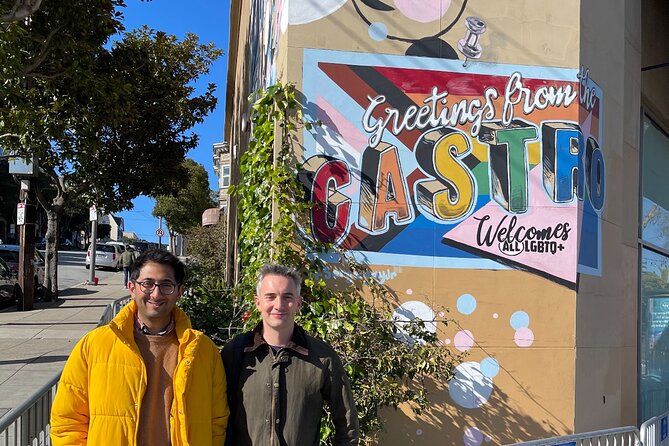
The price is $39 per person. For that amount, you receive a guided 90-minute walk with a maximum of 30 people. There are no listed admission fees, meals, or other included extras.
I see the value in the guide’s interpretation. You can walk through the Castro for free, but you may not recognize the significance of a storefront, theater, bar, or public plaza without local context. The tour gathers those separate pieces into one story and gives you a clear route through the neighborhood.
The value is strongest if you want history, civil rights, and community stories. If you are mainly looking for food, nightlife, shopping, or architecture, the price may feel less useful because the walk is not designed around those subjects.
The group limit of 30 is worth noting. This is not a private experience, and the amount of personal attention may depend on the group’s size. Still, the available feedback gives strong weight to the guides’ ability to maintain a good pace and answer questions.
Who will enjoy this Castro walk?
I would recommend this tour to you if you want a concise introduction to San Francisco LGBTQ history. It works especially well for first-time visitors who want a meaningful orientation before exploring the neighborhood independently.
It also suits people who already know the basic story but want to connect it to specific places. The original rainbow flag, José Sarria’s possessions, the HIV/AIDS Memorial Quilt, the long-running bar, the pioneering store, and the 1920s theater create a varied route.
The subject matter includes violence, discrimination, illness, protest, and loss. The tour also covers pride, organizing, visibility, and community life. It is not a lighthearted sightseeing stroll, though it is not described as gloomy throughout.
You may want a different activity if you need a slow, highly detailed historical seminar, a private guide, or a tour with interior access to every stop. At 90 minutes, the experience gives you the main stories and landmarks, then leaves you time to continue at your own pace.
Practical details are straightforward. Mobile tickets are provided, service animals are allowed, and most people can participate. Free cancellation is available up to 24 hours before the 3:00 pm start time. Cancellations or changes made within 24 hours are not refunded or accepted.
Should you book the Castro LGBTQ History Tour?
Book it if you want the Castro explained through its people, places, and struggles rather than viewed only as a colorful neighborhood. The strongest reason to go is the guide: Miguel and Eric are praised for clear delivery, a comfortable pace, passion, and strong answers.
The tour offers good value for a short afternoon activity, especially if you care about LGBTQ rights and San Francisco history. Just keep your expectations in line with the format. This is a concentrated 90-minute walk with a group of up to 30, not a private deep-history study or a full Castro day.
If that sounds right, the $39 price is reasonable. You’ll leave with a better understanding of why these streets matter, and you’ll finish at 18th and Castro Streets with plenty of time to keep exploring.
FAQ
Where does the Castro LGBTQ History Tour start?
The tour starts at Harvey Milk Plaza in San Francisco, California, at 3:00 pm.
Where does the tour end?
The walk ends at 18th Street and Castro Street, San Francisco, California.
How long does the tour last?
The tour lasts approximately 1 hour and 30 minutes.
What language is the tour offered in?
The tour is offered in English.
How much does the tour cost?
The listed price is $39 per person.
Can I cancel for a full refund?
Yes. You can cancel at least 24 hours before the experience start time for a full refund. Cancellations within 24 hours are not refunded, and changes within that period are not accepted.
More LGBTQ history and nightlife in San Francisco
- San Francisco LGBTQ Walking Tour with Local Guide
★ 5.0 · 600 reviews - San Francisco: Castro District LGBTQ+ History Tour
★ 5.0 · 9 reviews - San Francisco: Castro & LGBTQ Private Walking Tour
★ 4.0 · 4 reviews
Newest San Francisco write-ups
- Yosemite Valley: 3-Day Lodging Adventure★ 4.9 · 9 reviews
- From San Francisco: Yosemite & Tahoe Sierras 4-Day Trip★ 5.0 · 4 reviews
- San Francisco: Turkish Mosaic Lamp Workshop★ 4.2 · 12 reviews
- From San Francisco: Yosemite Private Full-Day Trip★ 5.0 · 13 reviews
- San Francisco Airport 1-Way Transfer to/from the City★ 4.8 · 36 reviews
- Hop-On Hop-Off Deluxe Bus Tour of San Francisco: 2 Days, 20 Stops★ 3.5 · 12 reviews
- Redwoods of Marin and Mt. Tamalpais Walking Tour with Local Guide★ 5.0 · 9 reviews
- Yosemite and Tahoe from San Francisco: 4 Day Sierra Nevada Tour★ 5.0 · 13 reviews
Castro District Tours, compared.
Private City Kickstart Tour:The Castro & Mission District
Read our review →Browse the lists this tour appears in