
Reviewed · CASTRO DISTRICT TOURS
San Francisco: Castro District LGBTQ+ History Tour
The Castro’s history is not confined to plaques and old storefronts. It is tied to military policy, protest, political organizing, police violence, and the people who made this San Francisco district a center of LGBTQ+ life. This 90-minute walk brings those threads together with Eric, a sixth-generation San Franciscan, historian, queer organizer, and activist who personally witnessed some of the events he discusses.
I like the guide’s personal connection to the city and the clear focus on places you can actually see. I also like that the route includes both celebrated figures, such as Harvey Milk, and harder chapters, including the White Night Riots and the treatment of gay prisoners under the Nazi regime.
The main consideration is pace. Ninety minutes gives you a useful introduction, but not time for every corner of the Castro or a long visit inside each site. Halloween crowds, construction, or a street fair can also make it harder to hear, so stay close to the guide.
Key points at a glance
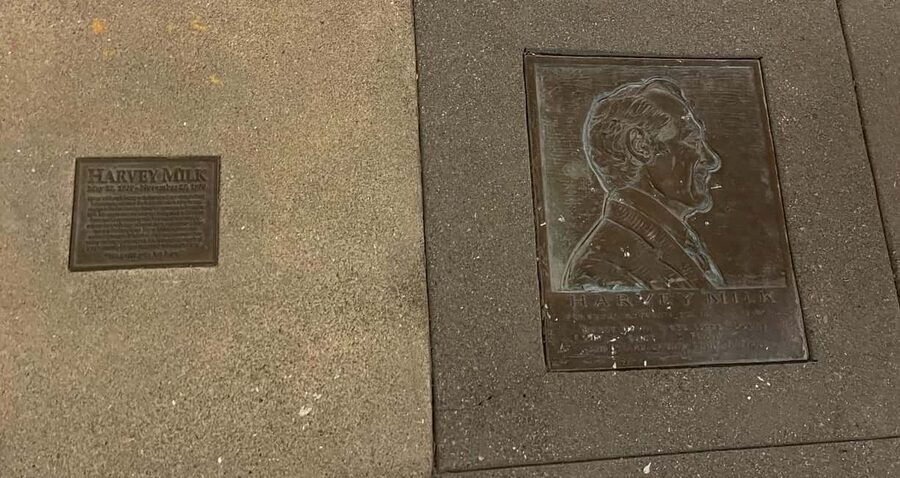
- Harvey Milk’s former camera shop: See the shop, campaign headquarters, and residence connected to one of America’s best-known LGBTQ+ political leaders.
- A guide with lived experience: Eric is a sixth-generation San Franciscan, historian, POC queer organizer, and activist.
- Pink Triangle Memorial: Visit the first memorial of its kind honoring gay prisoners killed under the Nazi regime from 1933 to 1945.
- A walk through protest and policy: Learn about the White Night Riots, military influence, and San Francisco’s 1979 gay rights ordinance.
- Several meaningful Castro landmarks: The route includes Hibernia Beach, the GLBT History Museum, and Jane Warner Plaza.
- Simple, flexible booking: The tour costs $39 per person, lasts 90 minutes, and allows free cancellation up to 24 hours before the start.
Why the Castro needs more than a quick stroll
It is easy to visit the Castro, take a photo beneath the rainbow flags, and move on. That gives you the district’s public image, but not much of its political meaning. This tour helps you connect ordinary streets and plazas with the decisions, losses, and campaigns that shaped LGBTQ+ life in San Francisco.
The military connection is an especially interesting place to begin. The tour explains the role the US military played in the formation of what became known as the gayest city on Earth. That topic adds an important layer because migration, military policy, and government action all influenced who came to San Francisco and how communities formed there.
You will not simply hear a list of dates. The stated focus is on the people and institutions behind those dates. That makes the walk useful if you want to understand why the Castro became politically important, rather than treating it as just a lively shopping and nightlife district.
The guide’s background matters here. Eric is described as a sixth-generation San Francisco native, a historian, and a POC queer organizer and activist. He also personally witnessed many of the events discussed. That does not replace archival history, but it can give the tour a direct, local voice that a standard sightseeing walk may lack.
More ways to see the Castro:
- San Francisco Urban Hike: Castro and Twin Peaks
★ 5.0 · 71 reviews - San Francisco Castro Mission Loop Tour
★ 5.0 · 12 reviews - Castro District LGBTQ+ Historic Tour
★ 5.0 · 9 reviews
Starting at Harvey Milk Plaza
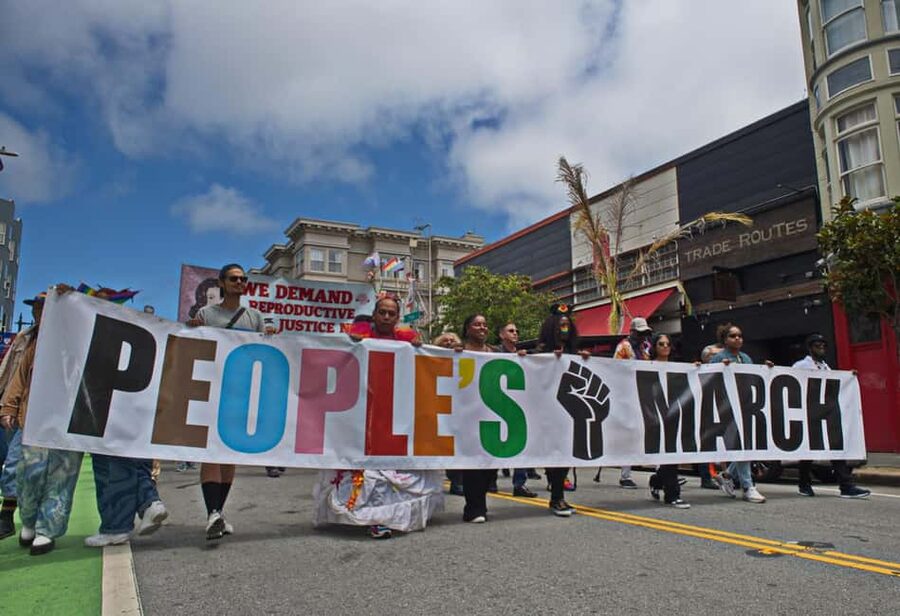
The meeting point is Harvey Milk Plaza, next to SoulCycle at 400 Castro Street. This is a practical starting point because Harvey Milk’s name and public legacy are central to the district. You begin in a place that immediately frames the Castro as a center of political work, not just a neighborhood with colorful decorations.
The tour includes Harvey Milk’s former camera shop, campaign headquarters, and residence. These locations help turn Milk from a distant historical figure into someone connected with specific buildings and daily routines. You get a better sense of how political organizing grew out of local business, neighborhood relationships, and face-to-face campaigning.
The tour’s treatment of Milk is not presented as the whole story. That is important. The route also addresses the White Night Riots and the 1979 gay rights ordinance, showing that the Castro’s political life included both major gains and periods of anger, conflict, and grief.
Because the meeting point is at a well-known plaza, it should be straightforward to locate. The provider gives the exact address, but it is still wise to arrive ready to walk rather than expecting a seated talk. Comfortable shoes are specifically recommended.
The Pink Triangle Memorial and the weight of memory
The Pink Triangle Memorial is one of the tour’s most serious stops. It honors gay prisoners killed during the Nazi regime from 1933 to 1945, and it is identified as the first memorial of its kind.
This stop gives the tour a wider historical frame. The Castro’s story is rooted in San Francisco, but LGBTQ+ persecution has never been limited to one country or one period. The memorial connects local activism with the need to preserve memory across borders and generations.
You may find this section more solemn than the parts focused on Harvey Milk or neighborhood politics. That change in tone is a strength, but it also means the tour is not designed as light entertainment. The experience asks you to give serious attention to historical suffering as well as political progress.
A guide with Eric’s background can help connect the memorial to the broader work of queer organizing. The supplied information does not promise a fixed script or a detailed list of every story told here, so the exact emphasis may vary. Still, this is clearly a central stop for anyone interested in how LGBTQ+ communities remember violence and loss.
Hibernia Beach and the Castro LGBTQ+ Memorial
Hibernia Beach, also called the Castro LGBTQ+ Memorial, adds another layer to the route. The name may surprise you because this is a city neighborhood rather than a traditional beach setting. Its significance comes from its role as a memorial location, not from swimming or shoreline scenery.
This is a good example of why a guided walk can be more useful than exploring on your own. Without context, a place name or memorial can pass quickly. With a guide, you can understand why the site matters and how it fits into the wider story of the district.
The tour does not treat the Castro as one single monument. Instead, it moves through several sites with different roles: remembrance, political organizing, public gathering, and neighborhood identity. That range makes the 90-minute route feel purposeful, even though it cannot cover everything.
More history walks in San Francisco:
- Chinatown & North BeachLittle Italy: 7 Tastings & History
★ 5.0 · 1,070 reviews - North Beach & Little Italy Walking Tour: Food, History & Flavor
★ 5.0 · 1,044 reviews - Chinatown Walking Tour: Food, History & Flavor
★ 5.0 · 575 reviews - San Francisco Whiskey Cocktail Class: Views and City History
★ 5.0 · 206 reviews
The GLBT History Museum and the value of context
The GLBT History Museum is another named stop. The information provided does not state whether admission is included or how long the group spends inside, so you should treat it as part of the route rather than assume you will have a full museum visit. The guided portion is the included feature, and the tour lasts 90 minutes.
Even a brief connection to the museum can help place the street-level stops in context. Museums gather documents, images, and objects. A walking tour shows you the actual neighborhood where political activity and community life unfolded. Having both in the same outing can make the Castro easier to understand.
If you want a long, self-paced museum visit, you may prefer to set aside separate time. If you want a guided introduction that links museum history with nearby sites, this stop should fit well.
Jane Warner Plaza and the story behind a name
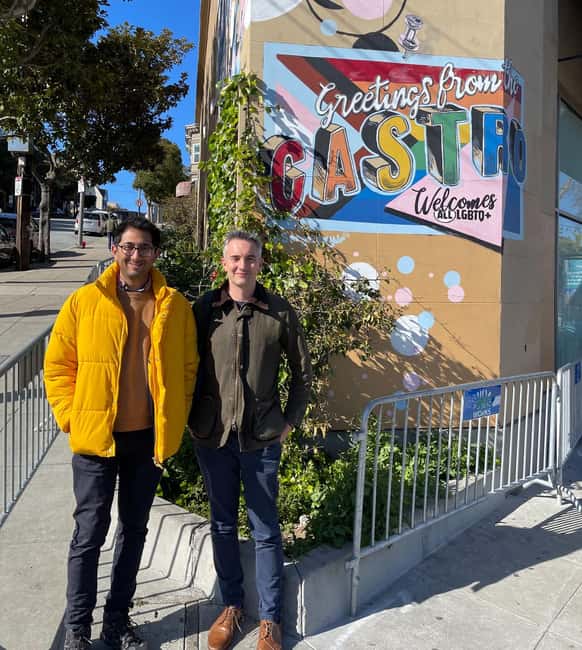
Jane Warner Plaza is named after the first openly lesbian police officer on the San Anselmo police force. That detail gives the stop a useful focus: public service, visibility, and the changing place of openly LGBTQ+ people within civic institutions.
The plaza also shows how naming public spaces can preserve a community’s past. Instead of presenting history only through famous elected officials, the tour includes a person connected with law enforcement and public service. That wider view helps you see the many kinds of work involved in changing public attitudes and institutions.
The stop is likely to be most meaningful when Eric explains the person behind the name. On your own, you might notice the plaza but miss why it was named that way. This is one of the tour’s practical strengths: it gives you details you may not find in a quick online search or casual walk.
White Night Riots and the cost of political change
The White Night Riots are among the most important and difficult subjects on the route. They are part of the Castro’s story of anger, protest, and political conflict. Including them keeps the tour from offering a polished version of LGBTQ+ history in which progress happens smoothly.
The same is true of the landmark gay rights ordinance of 1979. The ordinance points to a major legal and political development, while the White Night Riots show the pressure and emotion surrounding the period. Taken together, these subjects help you see that rights were not simply granted from above. They were shaped by organizing, public action, resistance, and conflict.
This part may be especially valuable if you already know the basic story of Harvey Milk. It moves beyond a single biography and examines the wider political setting. You will learn how individuals, city government, police, and community groups fit into the same story.
Eric’s style and what the ratings suggest
The strongest praise for this tour centers on Eric’s ability to explain the subject with warmth, passion, and clarity. One person who visited during a hectic Halloween setting said Eric checked in regularly to make sure the group could still hear him through construction and the evening fair setup. That is a useful practical sign: he appears attentive to the conditions around the group, not locked into a speech.
Another person attended alone and still received a full tour and extended conversation. That suggests the experience can work for a solo participant, rather than feeling awkward or incomplete if the group is small.
The comments also point to Eric’s respectful manner and strong interest in social politics. That combination matters for a subject that includes trauma, discrimination, activism, and contested public events. You should expect a guide who takes the history seriously and is willing to discuss its political meaning.
The experience has a 5.0 rating from nine reviews, with comments praising its informative storytelling, personal connection, and welcoming tone. That is a small sample, so I would not treat the rating as proof that every outing will be identical. Still, the praise is consistent enough to make the guide the tour’s main selling point.
Is $39 a fair price for 90 minutes?
At $39 per person, this is not the cheapest way to spend an hour and a half in the Castro. You are paying for a guided history walk, not transportation, food, or museum admission. The value depends on how much you want interpretation rather than a self-guided neighborhood stroll.
I think the price is reasonable if you care about LGBTQ+ history and want a local guide to connect multiple sites. The tour includes a specialized subject, a guide with personal ties to San Francisco, and stops that would be easy to misunderstand without context. The value is less clear if you mainly want photos, shopping, or a general orientation to the neighborhood.
You can also keep your plans flexible. Free cancellation is available up to 24 hours before the start, and you can reserve now and pay later. The tour is in English, and wheelchair accessibility is provided. Check the available starting times when booking because the duration is fixed at 90 minutes, but the start time can vary.
Who will get the most from this walk?
I would recommend this tour to anyone visiting the Castro for the first time who wants more than a quick look around. It suits people interested in civil rights, San Francisco politics, queer history, military policy, and the relationship between local places and national events.
It is also a good choice for people who already know Harvey Milk’s name but want a wider account of the district. The White Night Riots, Jane Warner Plaza, the Pink Triangle Memorial, and Hibernia Beach broaden the story beyond one leader.
You should be comfortable walking for 90 minutes and wearing practical shoes. The tour is wheelchair accessible, but the information provided does not describe the exact route surface, slope, or restroom arrangements, so contact the provider if you need those details before booking.
Families can decide based on the ages and interests of their children. The subject includes persecution, murder, political conflict, and discrimination, so it may call for a thoughtful conversation rather than a casual outing.
Should you book the Castro LGBTQ+ History Tour?
Book it if you want personal, place-based history and a guide who can discuss the Castro as both a neighborhood and a political movement. Eric’s local roots, organizing background, and personal connection to major events give the walk a clear point of difference.
Skip it if you want a broad San Francisco sightseeing tour, a nightlife introduction, or a long museum visit. The route is focused, serious, and only 90 minutes long.
For most people interested in LGBTQ+ history, $39 is a fair exchange for a compact walk through Harvey Milk’s Castro, the Pink Triangle Memorial, Hibernia Beach, Jane Warner Plaza, and other key sites. Stay close to the guide, wear comfortable shoes, and allow the district’s difficult stories to receive as much attention as its symbols of progress.
FAQ
How long is the Castro LGBTQ+ History Tour?
The tour lasts 90 minutes.
How much does the tour cost?
The price is $39 per person.
Where does the tour meet?
The meeting point is Harvey Milk Plaza, next to SoulCycle, at 400 Castro Street.
Who leads the tour?
The guide is Eric, a sixth-generation San Francisco native, historian, POC queer organizer, and activist.
What language is the tour in?
The live guided tour is conducted in English.
Is the tour wheelchair accessible?
Yes, the activity is listed as wheelchair accessible.
Can I cancel the tour for a refund?
Yes. You can cancel up to 24 hours in advance for a full refund. You can also reserve now and pay later.
More LGBTQ history and nightlife in San Francisco
- San Francisco LGBTQ Walking Tour with Local Guide
★ 5.0 · 600 reviews - San Francisco: Castro & LGBTQ Private Walking Tour
★ 4.0 · 4 reviews
Newest San Francisco write-ups
- Filoli House & Garden★ 5.0 · 20 reviews
- Fisherman’s Wharf & Pier 39 Food Tour – Includes Full Meal, 3 hrs★ 5.0 · 9 reviews
- San Francisco Four Peaks Tour★ 4.0 · 4 reviews
- Express San Francisco Layover Tour w Airport Pickup and Dropoff★ 5.0 · 6 reviews
- Napa Valley Wine and Food Tasting Tour from San Francisco★ 5.0 · 7 reviews
- Experience the Thrills of Yosemite: 3-Day Package★ 5.0 · 3 reviews
- San Francisco Gregangelo Museum – Immersive Kids’ Tour★ 5.0 · 5 reviews
- Early Bird: Electric Scooter Rental to Golden Gate Bridge★ 5.0 · 6 reviews
Castro District Tours, compared.
Browse the lists this tour appears in